1,000+
Roman coins
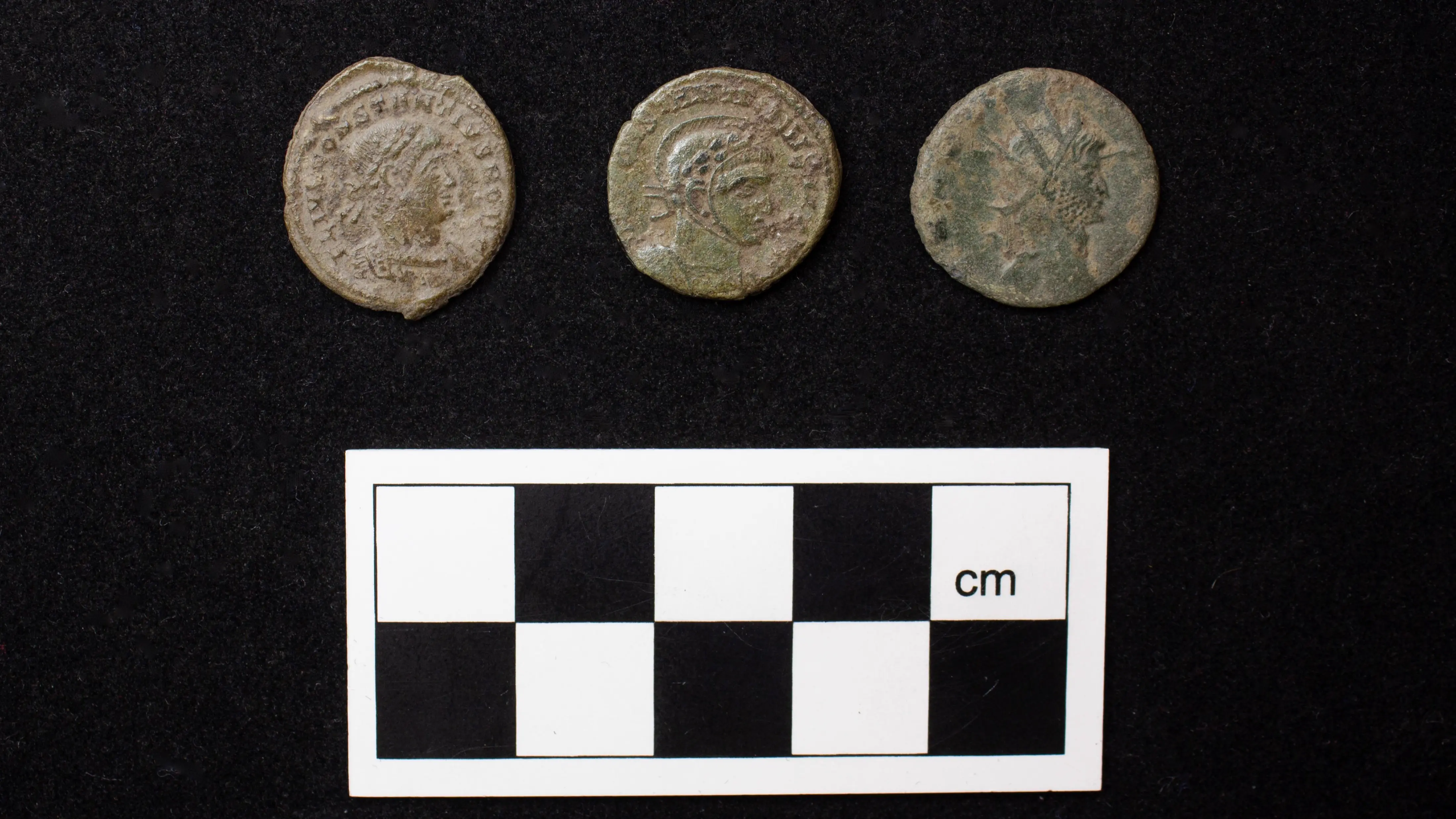
A coin assemblage spanning early imperial issues through dense late Roman deposition.
EPISODE I
Brookside Meadows revealed one of the most compelling recent Roman estate stories in the region: more than 1,000 coins, decorated interiors, jewellery, ritual objects, burials and the foundations of villas dismantled for their materials, all layered into a landscape that remained meaningful long after Rome.
1,000+
Roman coins
A coin assemblage spanning early imperial issues through dense late Roman deposition.
500m²
Aisled hall
A monumental hall that signals estate wealth and status on a major scale.
2,000 years
Of activity
Prehistoric occupation, Roman investment, dismantling and later activity all overlap on one site.
1 site
Many roles
Domestic, agricultural, industrial, funerary and possibly ritual use in one landscape.
Aerial context
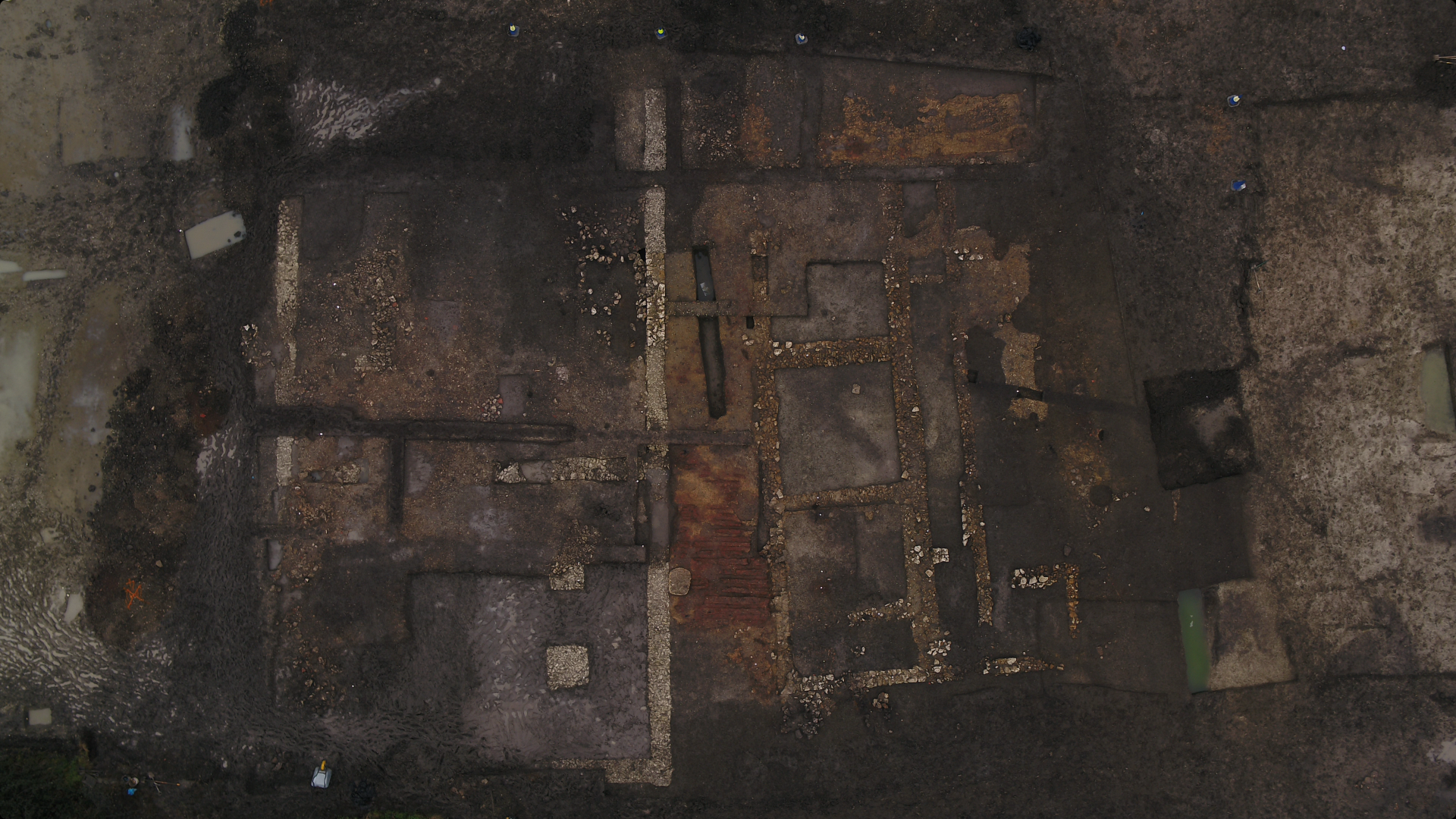
A short flyover shows how the excavation footprint sits within the wider Brookside Meadows site and helps anchor the villa story in real ground.
What to look for
Footage recorded by Field Specialist Phill Holt, thank you Phill!
Site Timeline
The story reads cleanly at distance: a settled pre-Roman landscape, early Roman investment, a high-status villa estate, then reuse, burial and long memory after its architectural peak.
Quick read
Five phases trace the site from its pre-Roman landscape through the villa estate and into its long afterlife.
Before c. 800 BC
Bronze Age Landscape
Scattered pits, postholes and small artefact spreads sealed beneath later deposits indicate prehistoric use long before a formal settlement plan emerges.
c. 800 BC to AD 43
Iron Age Settlement
Curving ring-gullies, post-settings and enclosure ditches in the northern part of the site show a substantial farming community managing fields, stock and domestic space before conquest.
1st to 2nd centuries AD
Early Roman Villas
Following conquest, the local elite invested in stone-built structures, including an early west villa and a north villa, marking a decisive shift from pre-Roman building traditions.
2nd to 4th centuries AD
High Roman Estate
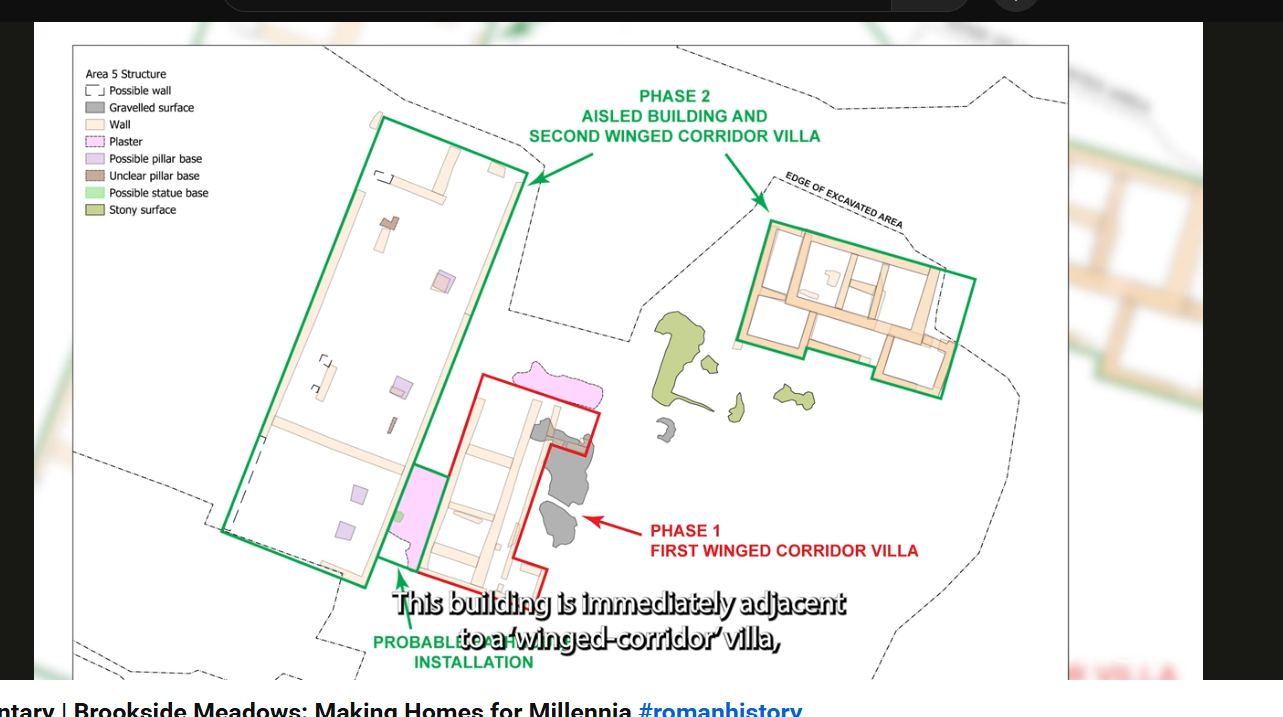
Four massive internal column or post bases define an aisled hall of about 500 square metres, one of the larger examples known in Roman Britain. The building appears to be later than the adjacent winged-corridor villa, and its substantial construction may have supported an upper storey with a limewashed exterior highly visible in the landscape.
4th to 5th centuries AD and later
Dismantling and Afterlife
Stone, roof tile and other architectural material were removed for use elsewhere. Robber trenches trace walls stripped down to their foundations, while the lowest surviving courses and the objects left behind preserved the plan archaeologists uncovered.
Evidence and discovery
Brookside Meadows brings together structural remains, excavation plans and remarkable finds that show the scale, richness and long life of the estate.
An unexpected site
What began as a routine rural excavation revealed a large, complex and long-lived estate, with new structures, finds and phases emerging as work continued.
Excavation evidence
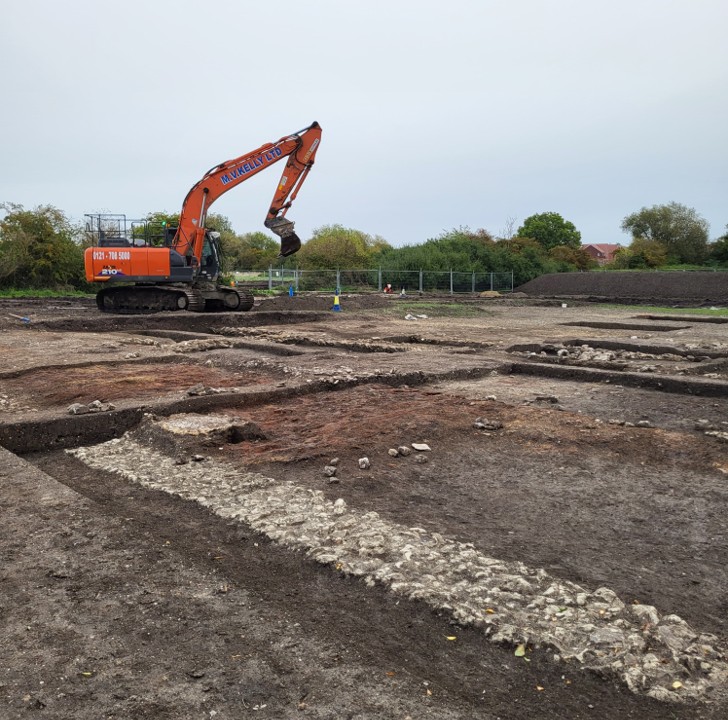
The villas were dismantled for their stone and tile, leaving robbed wall lines, lowest foundation courses, demolition spreads and concentrations of objects behind. Those surviving traces allow the building plans to be reconstructed.
Excavation context from Brookside Meadows in Grove.
Estate layout
Aisled halls, villa wings, enclosure systems and later ovens reveal how the estate was organised across the wider landscape.
Structural and artefact evidence from the villa landscape.
Material culture
A bone stylus, painted plaster with floral motifs, tesserae, jewellery, imported pottery, a late Roman horse-headed buckle, more than 1,000 coins and ritual objects do more than date the site. They reveal literacy, display, long-distance connections, devotion and memory.
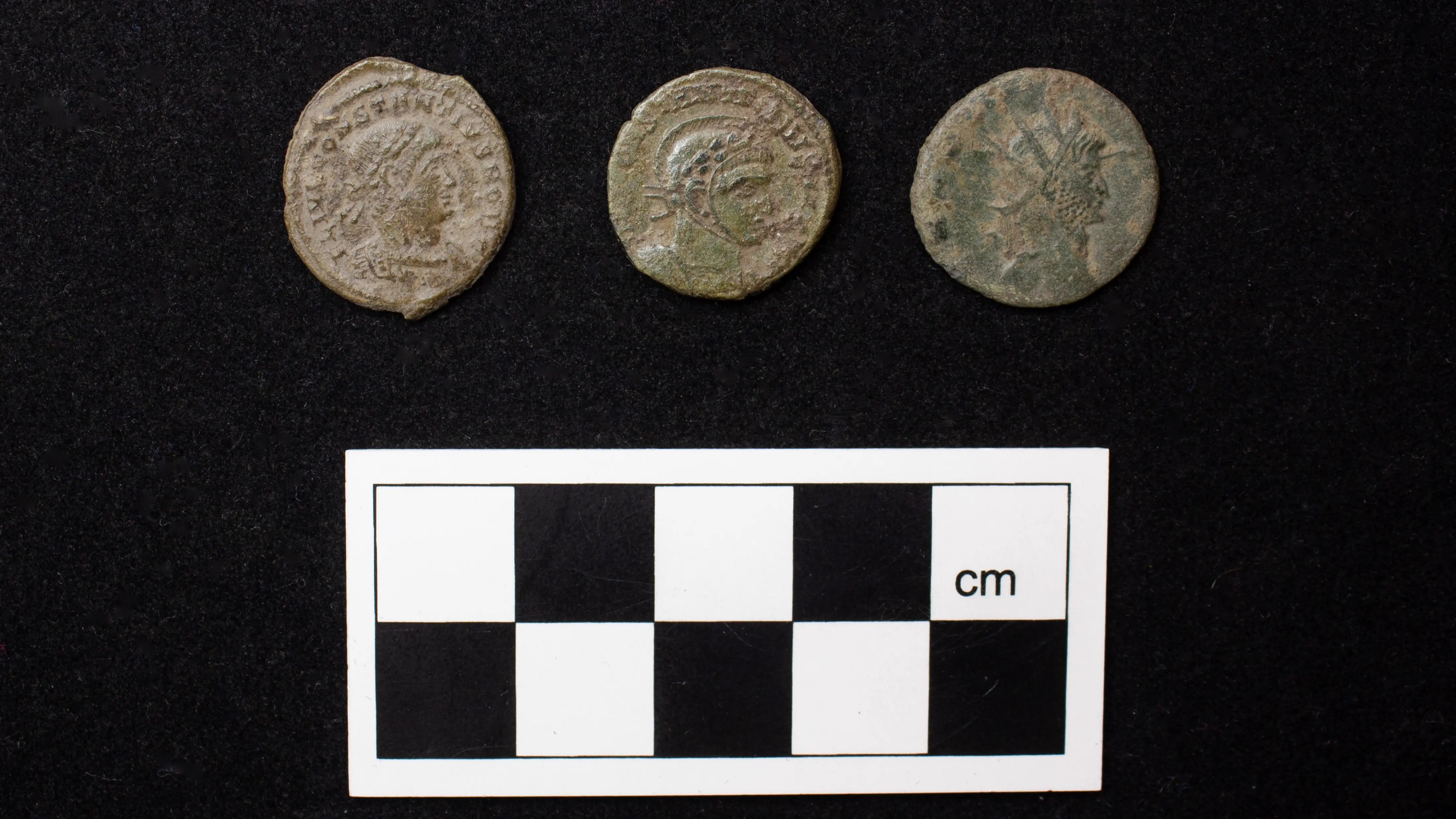
Finds assemblage from Brookside Meadows, including coin evidence.
From personal jewellery and painted wall plaster to ritual offerings and mysterious lead scrolls, these finds reveal the people, beliefs and changing fortunes of Roman Grove.
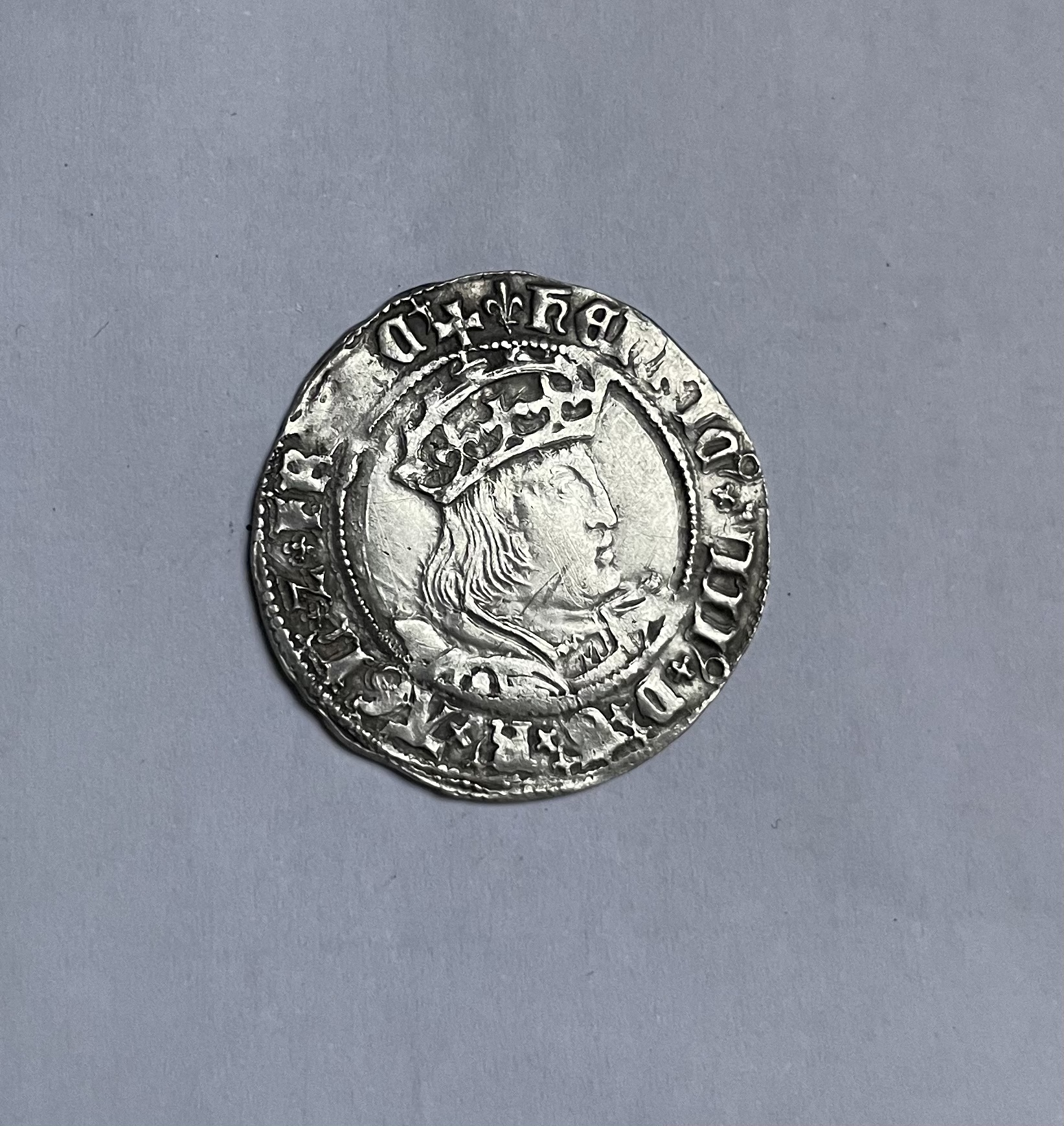
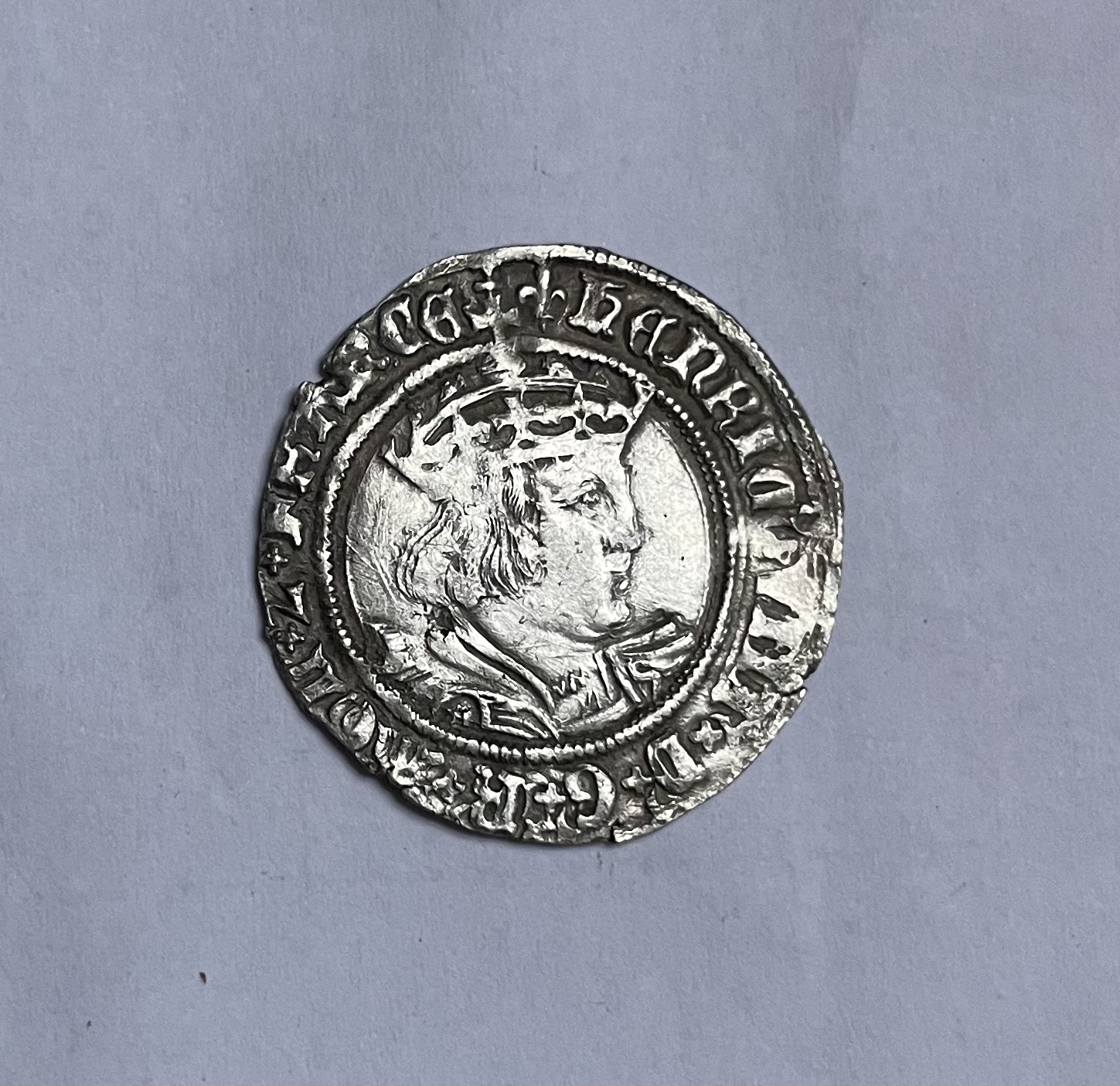
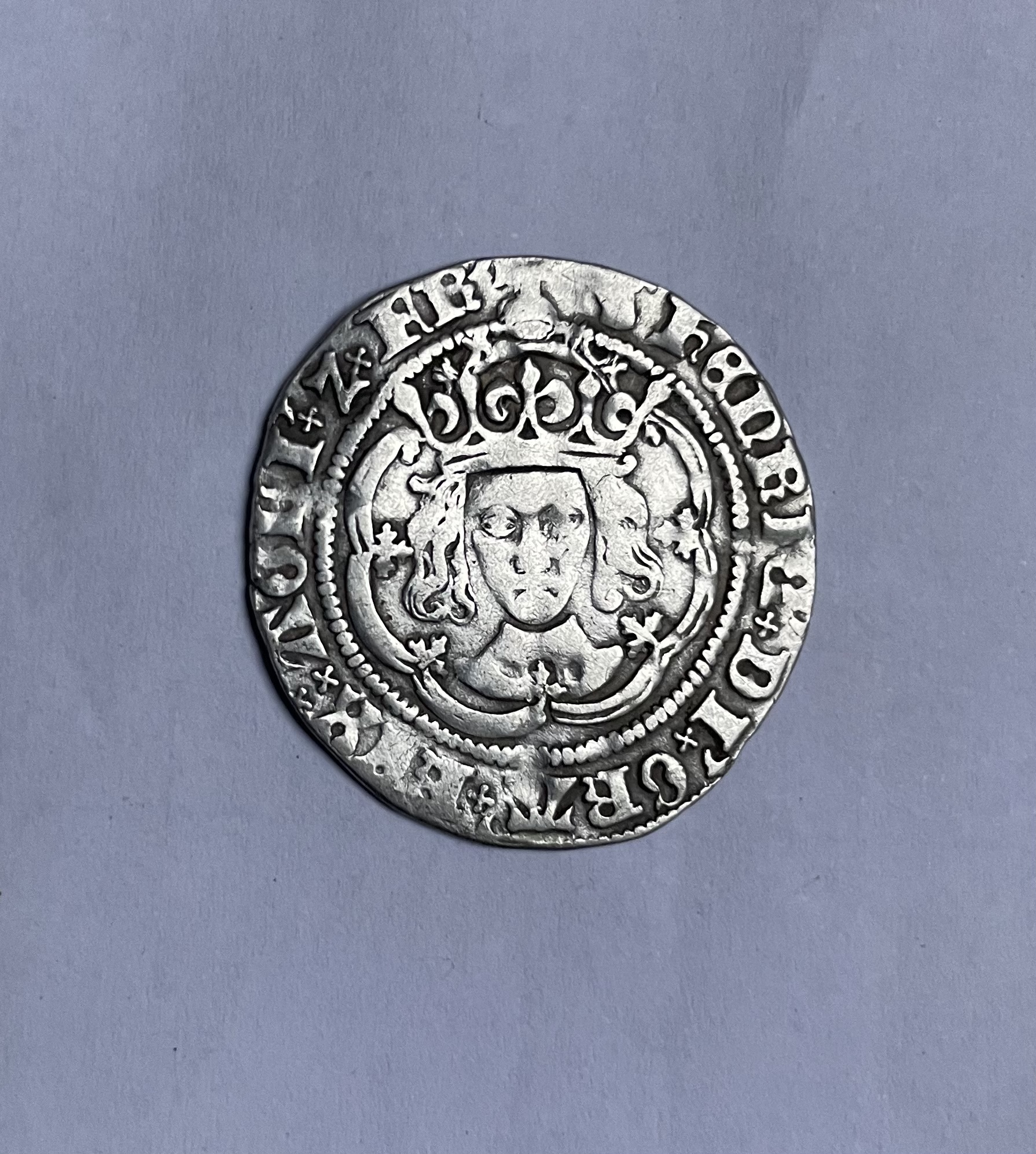
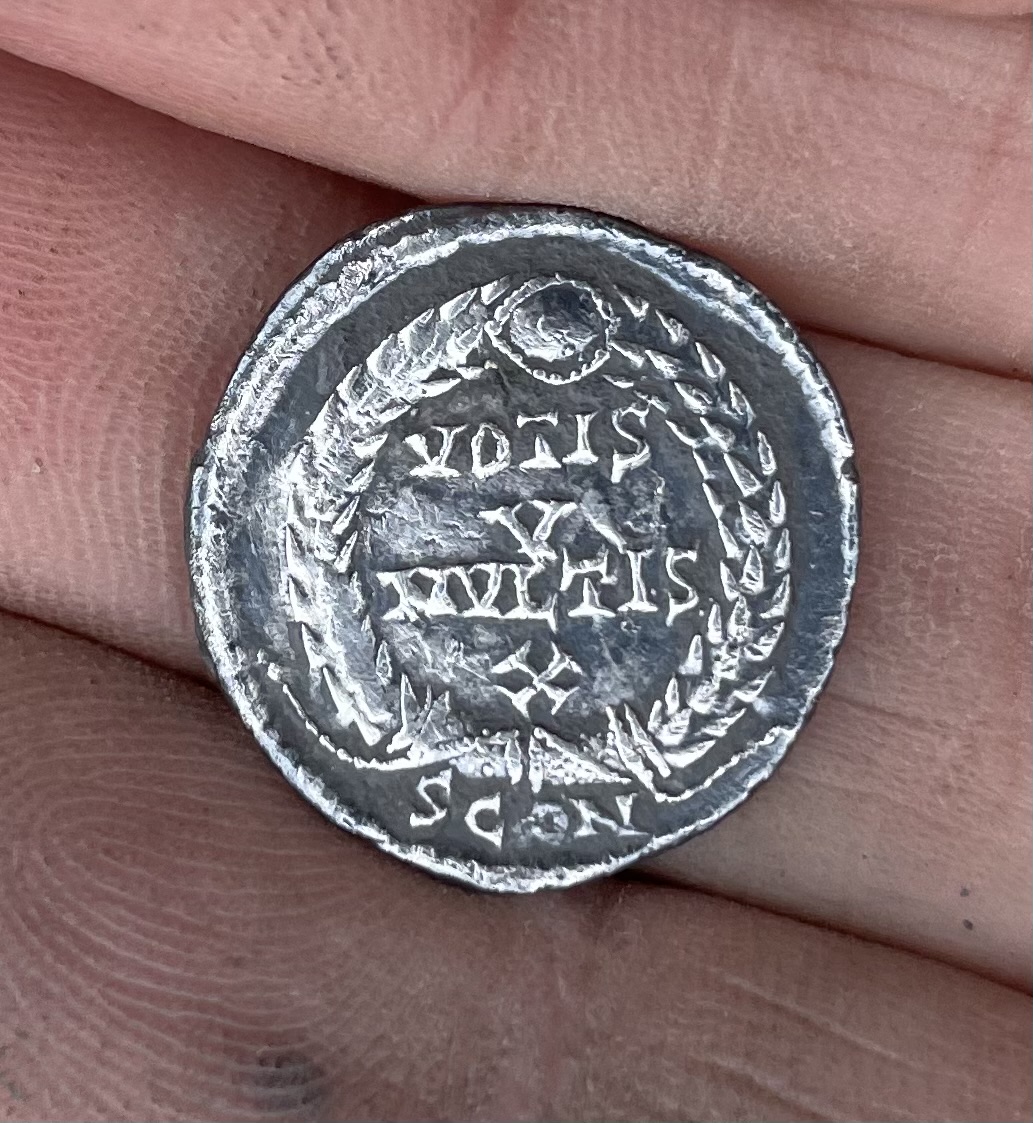
This selection comes from an assemblage of 1,389 coins, an unusually rich sequence for a rural settlement in this part of Oxfordshire.
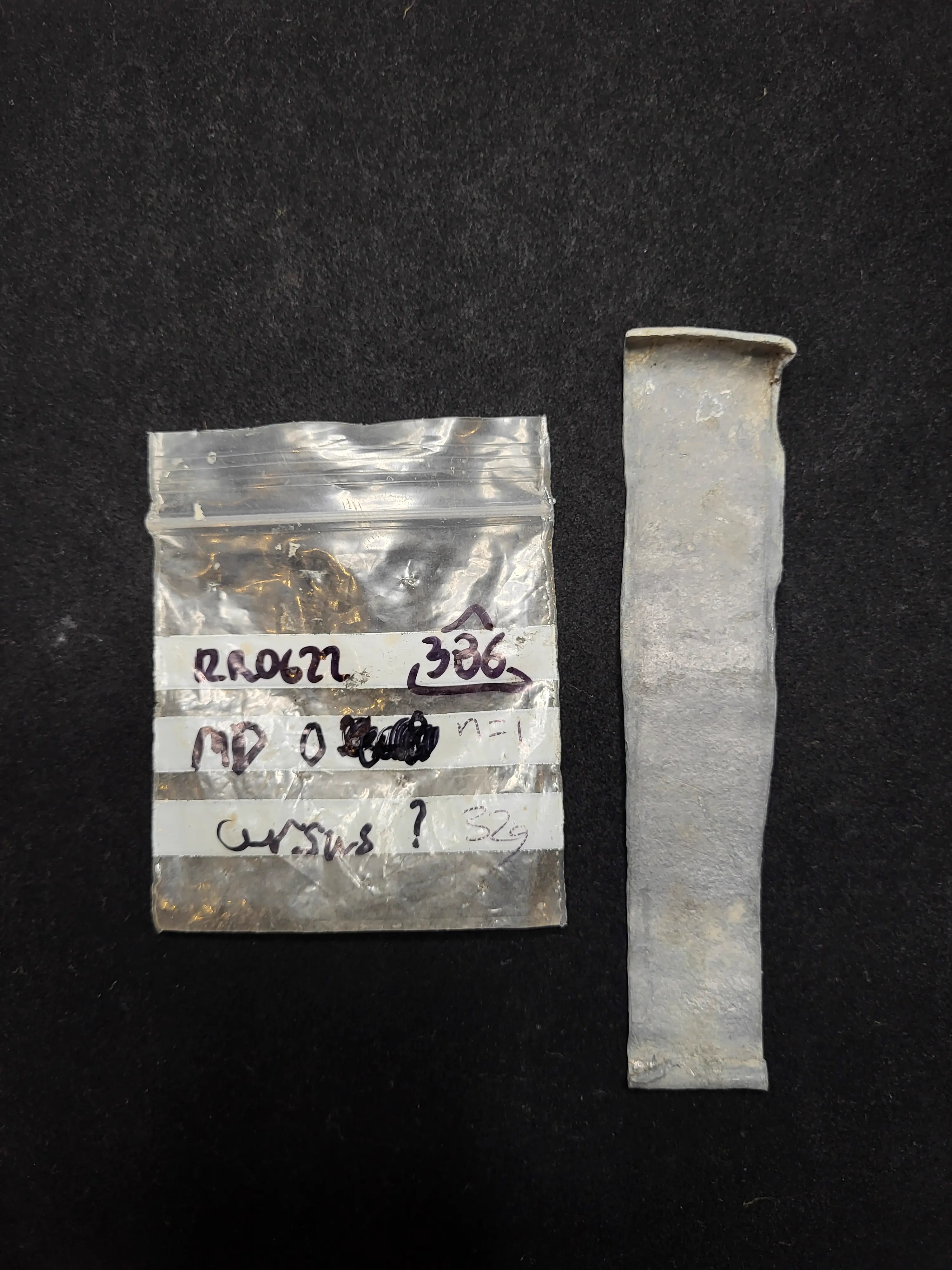
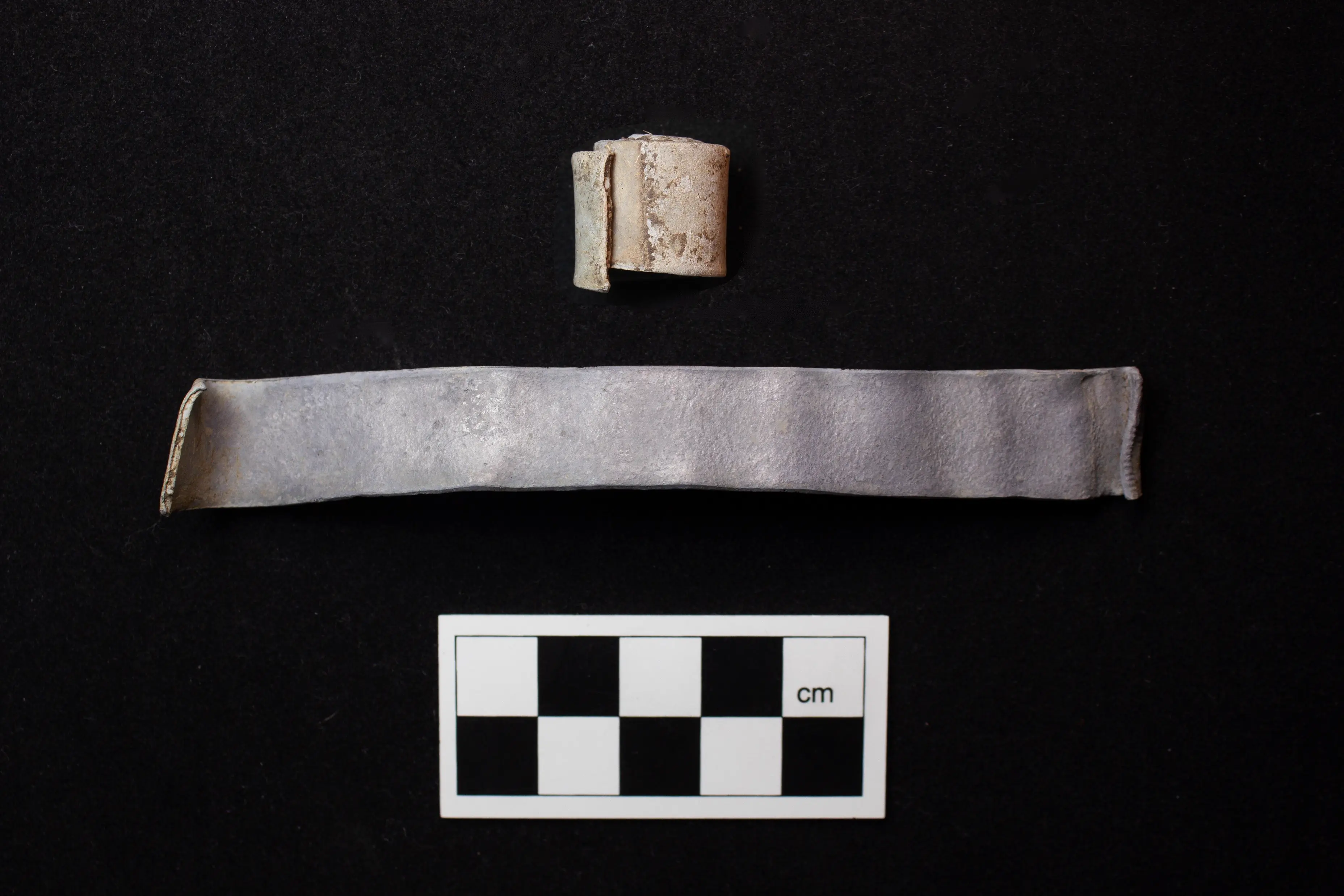
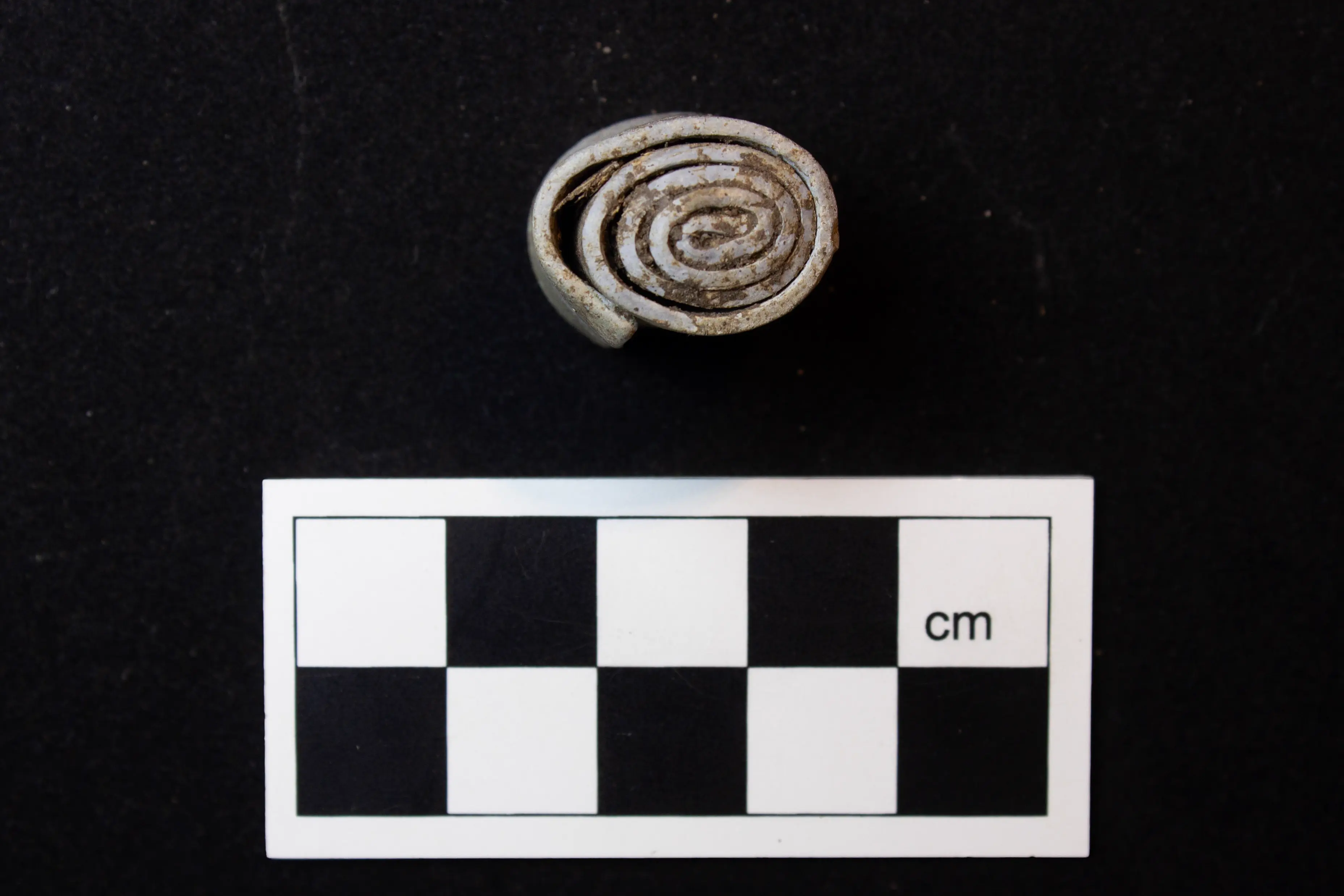
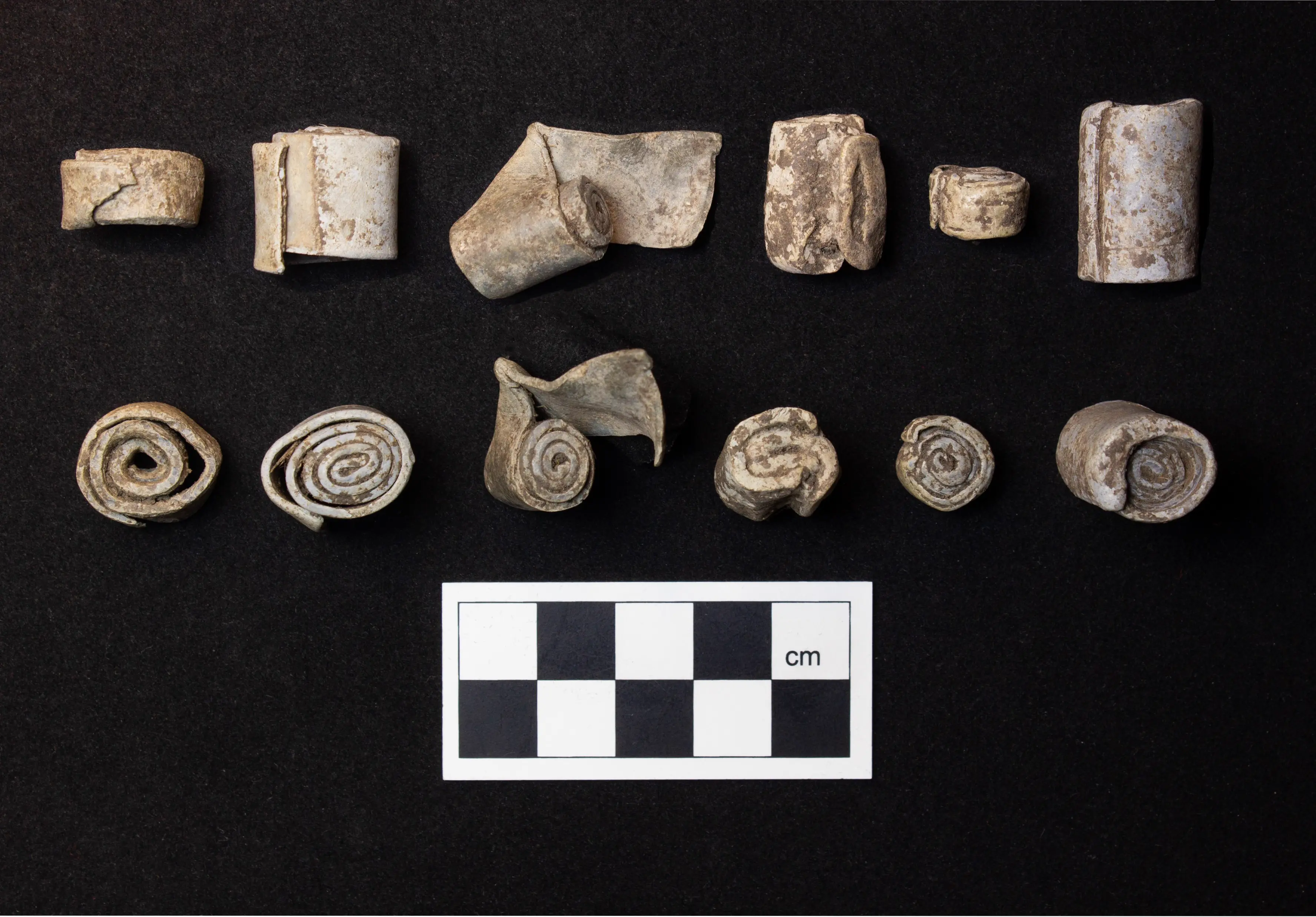
One of a wider group of rolled lead objects, including a piece specifically noted as a possible curse tablet.
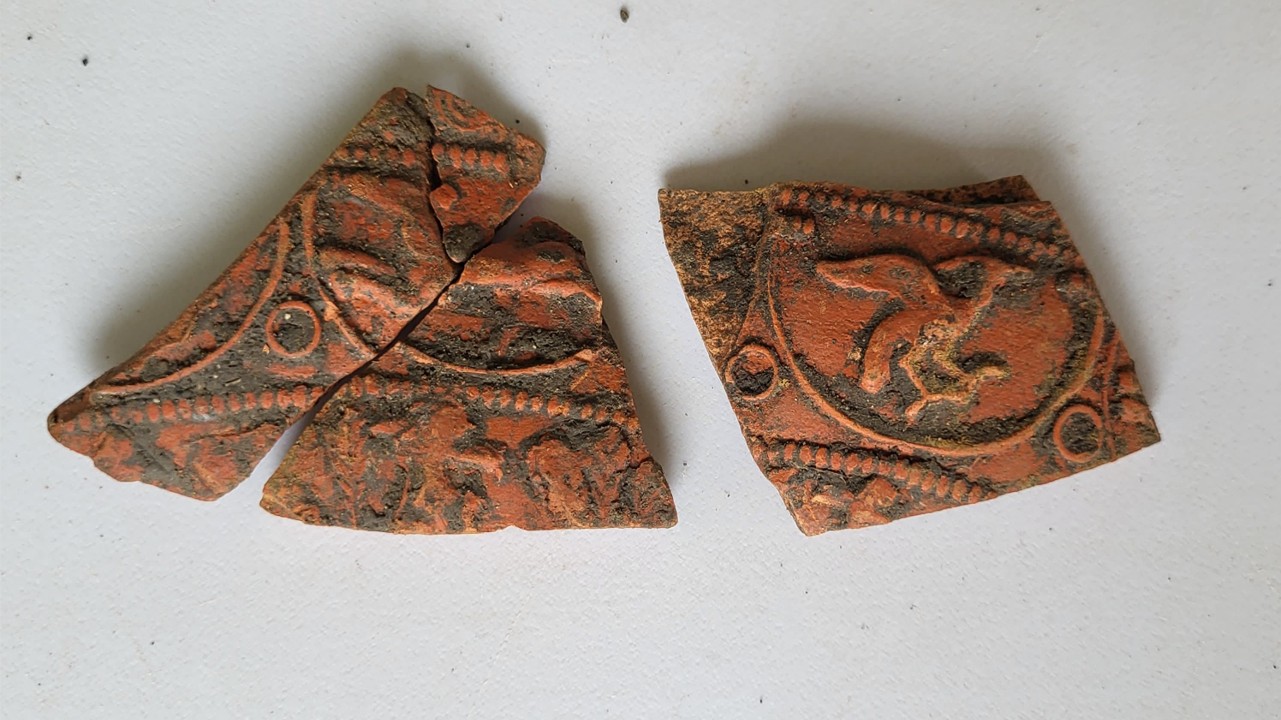
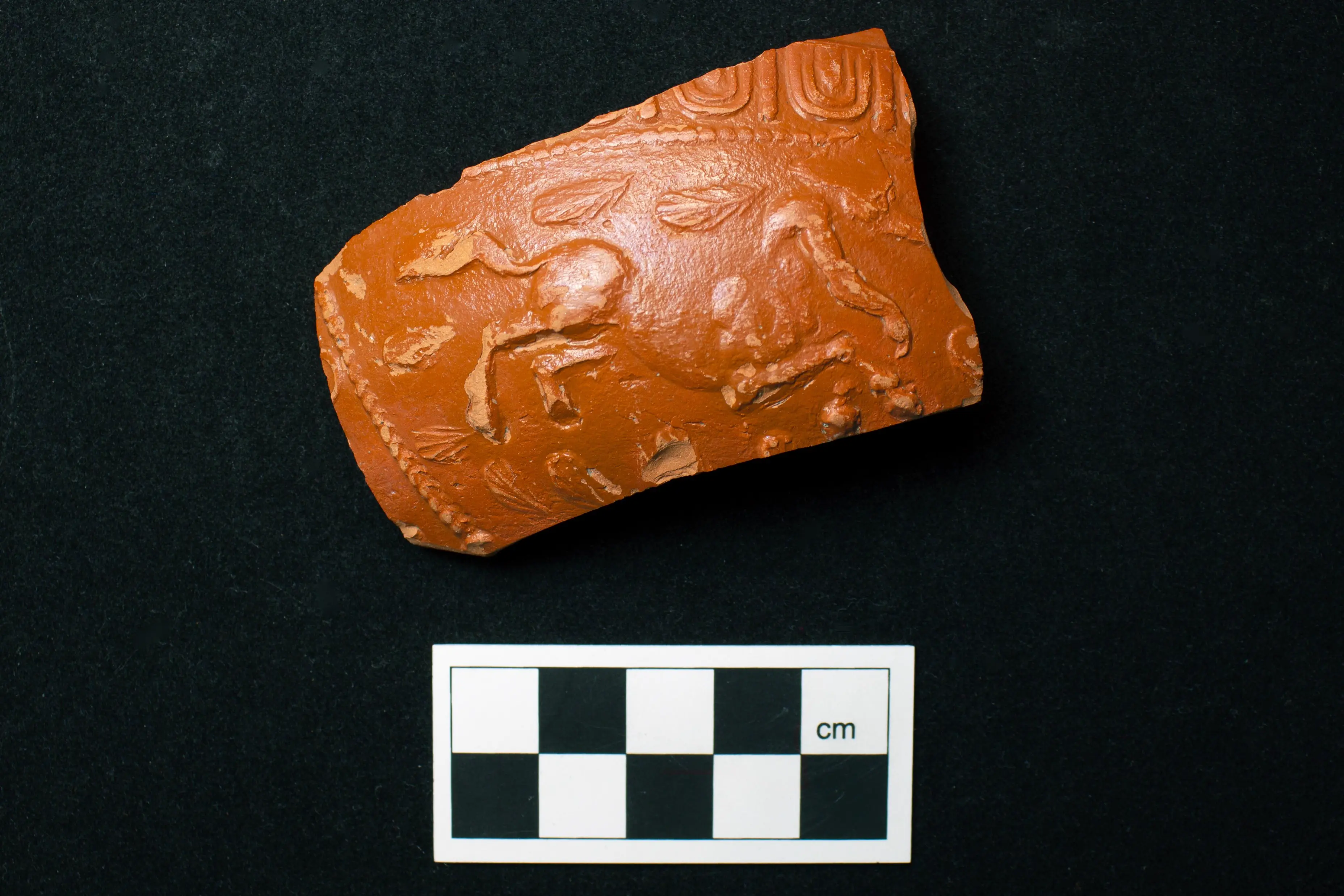
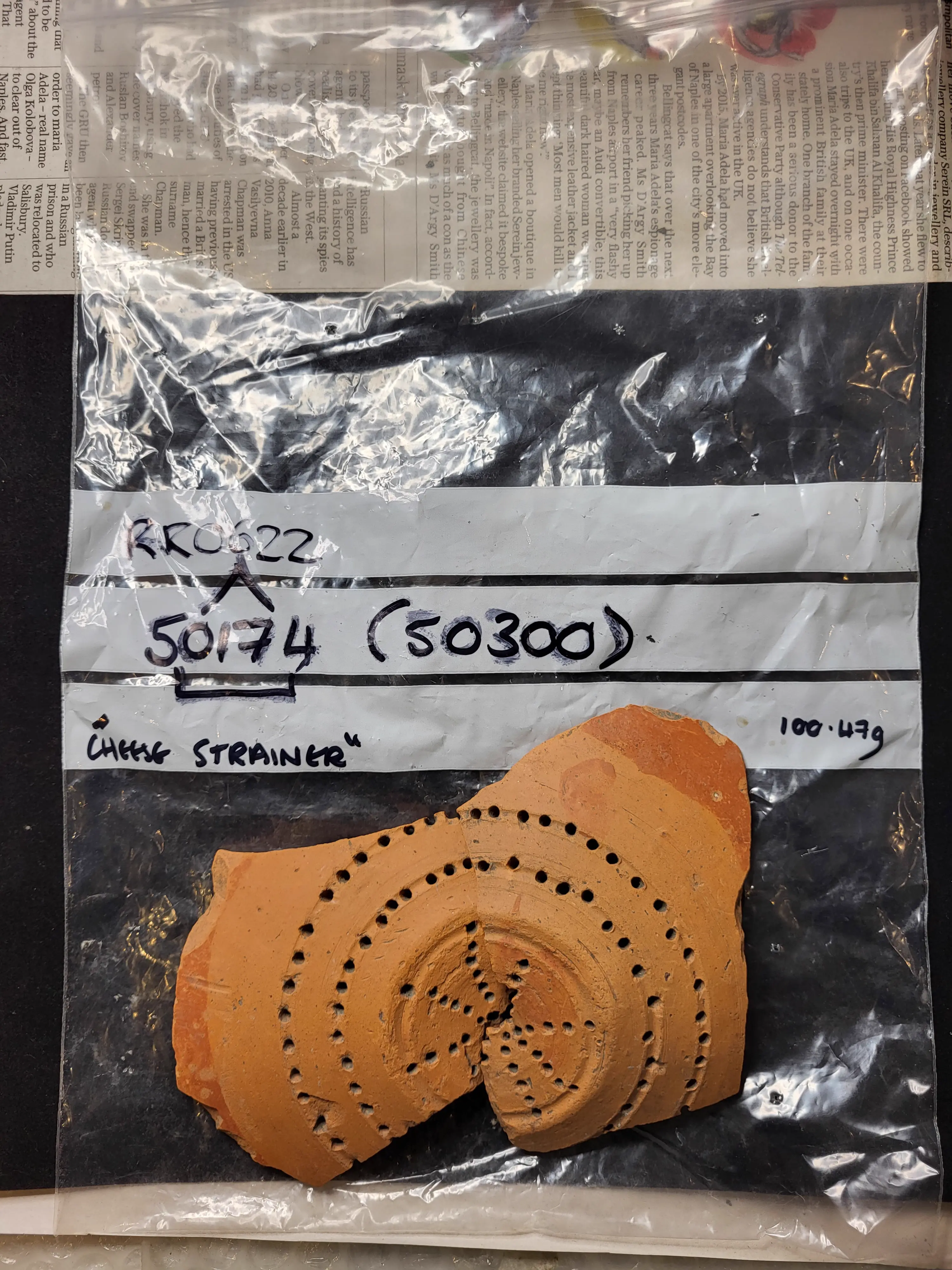
Across Brookside Meadows, archaeologists recorded at least 12,596 sherds of pottery, from coarse kitchen and storage wares to fine tablewares and specialist vessels.
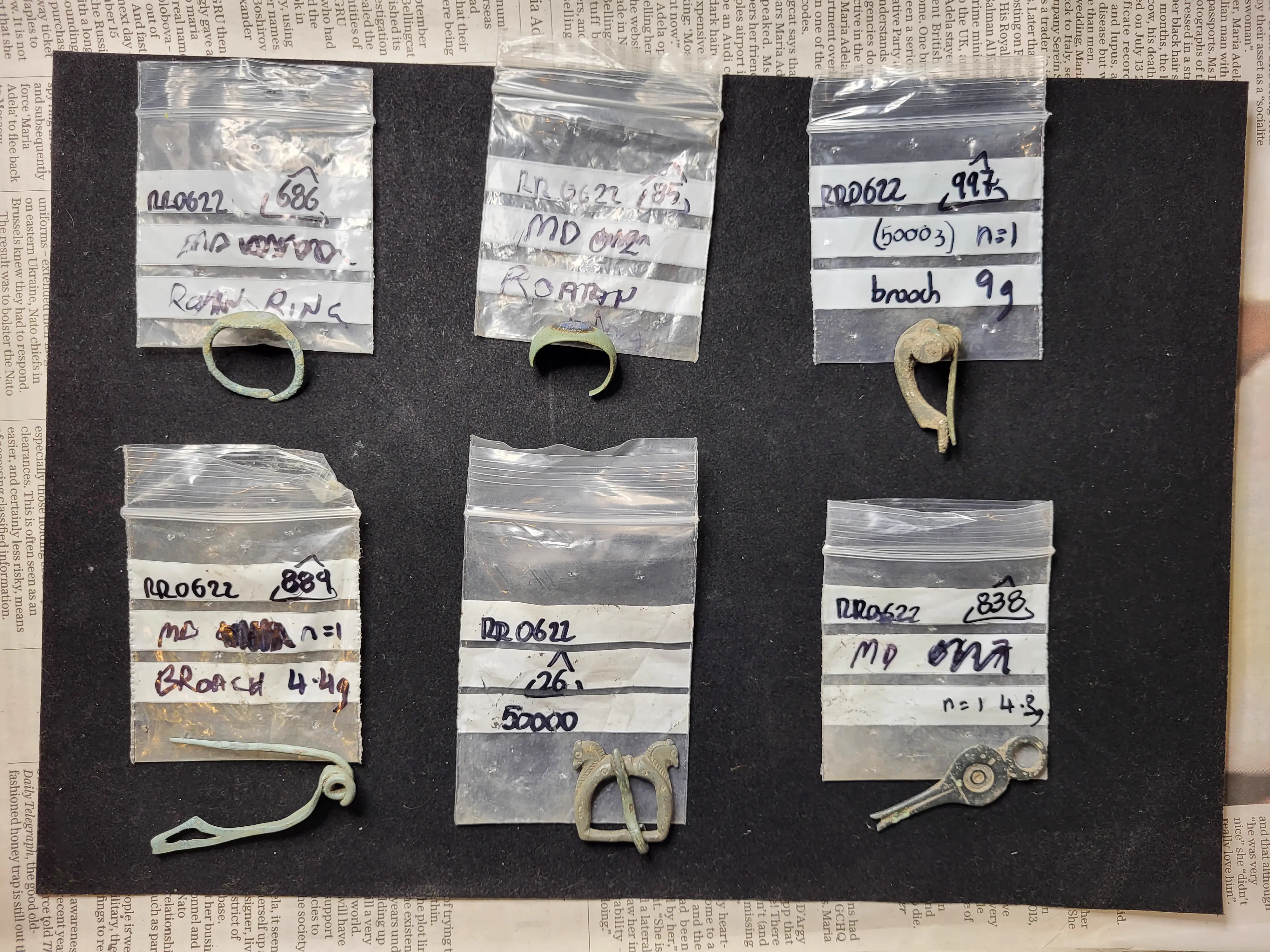
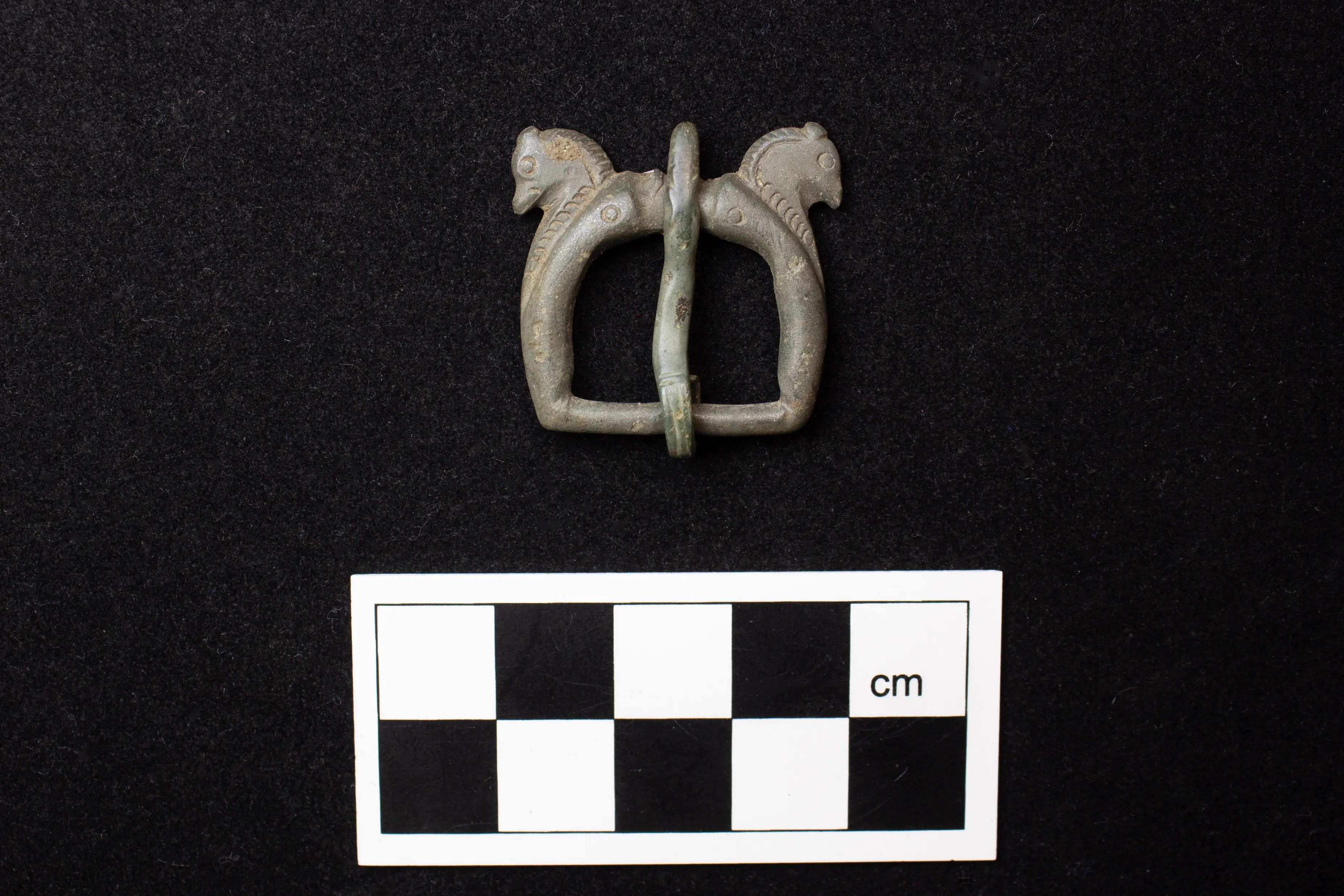
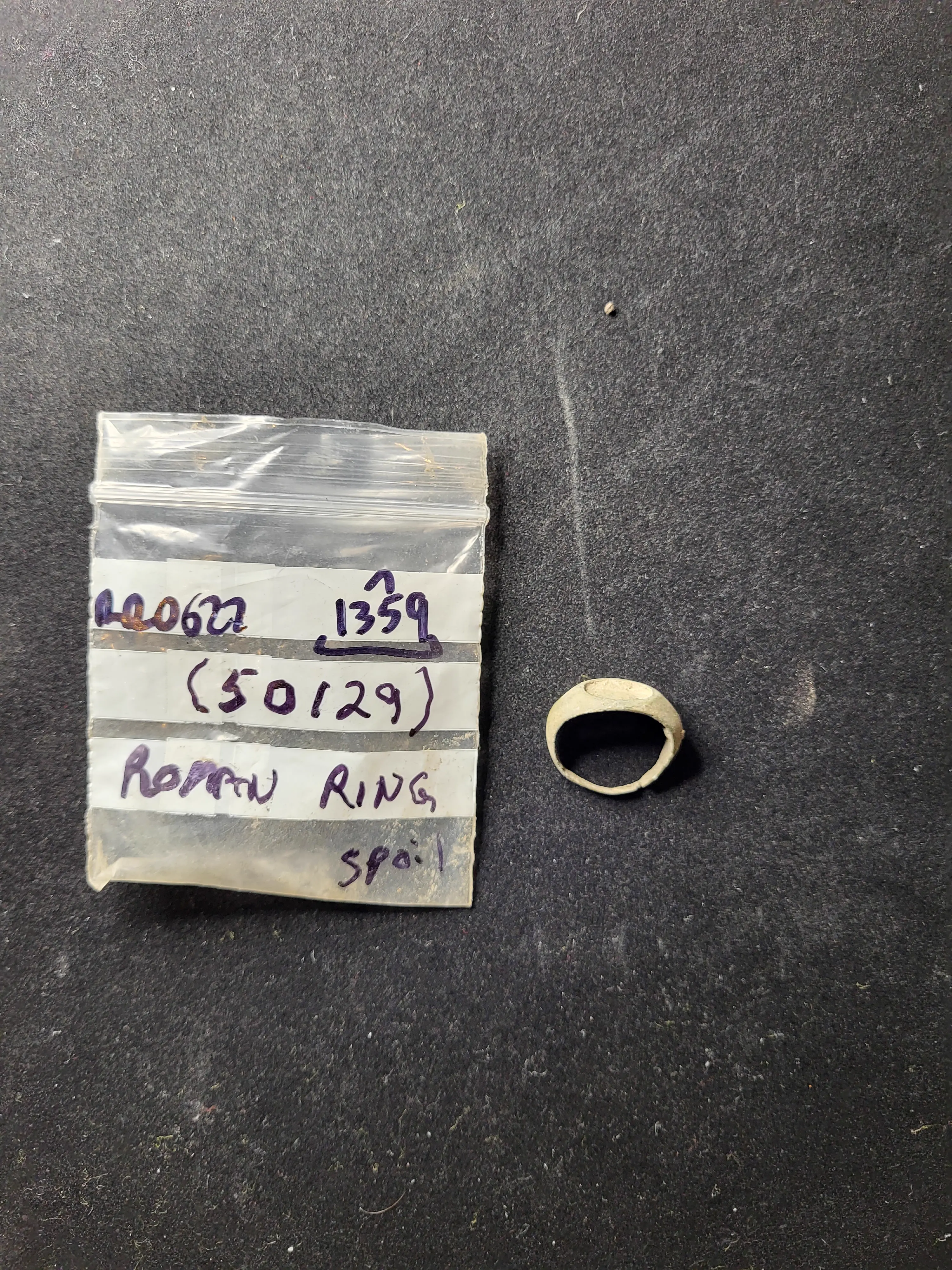
A small part of a much larger body of personal metalwork that includes dozens of brooches, buckles and rings, from everyday fastenings to more distinctive statement pieces.
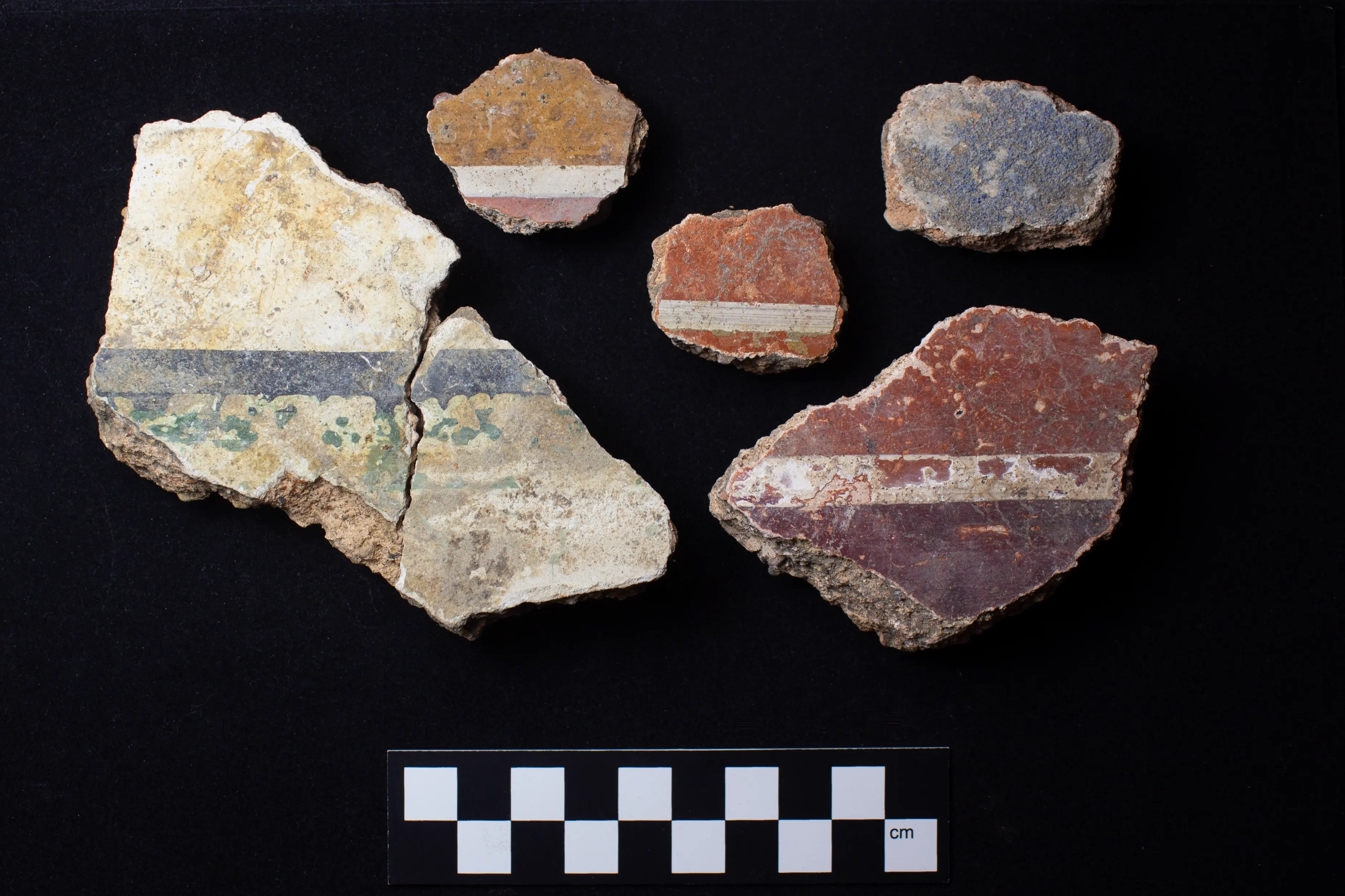
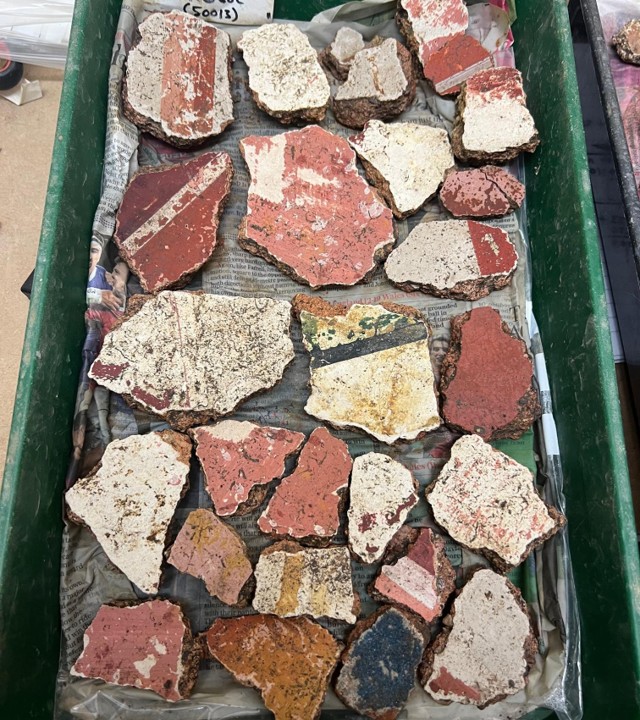
Painted wall plaster from several parts of the site, evidence that decorated interiors survived beyond a single room or moment.
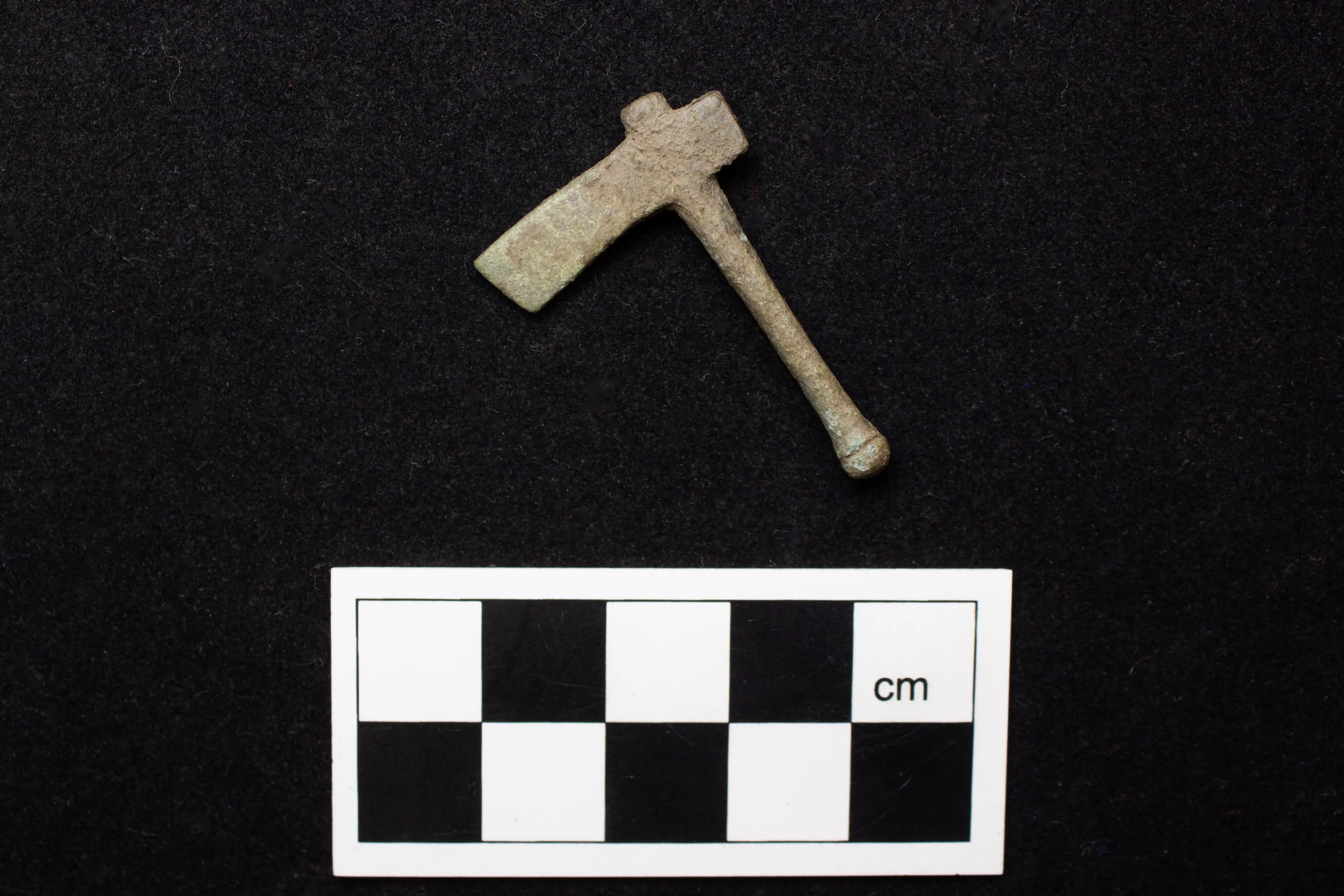
One of several miniature axes from the site, small objects whose scale points away from practical use and towards symbolism.
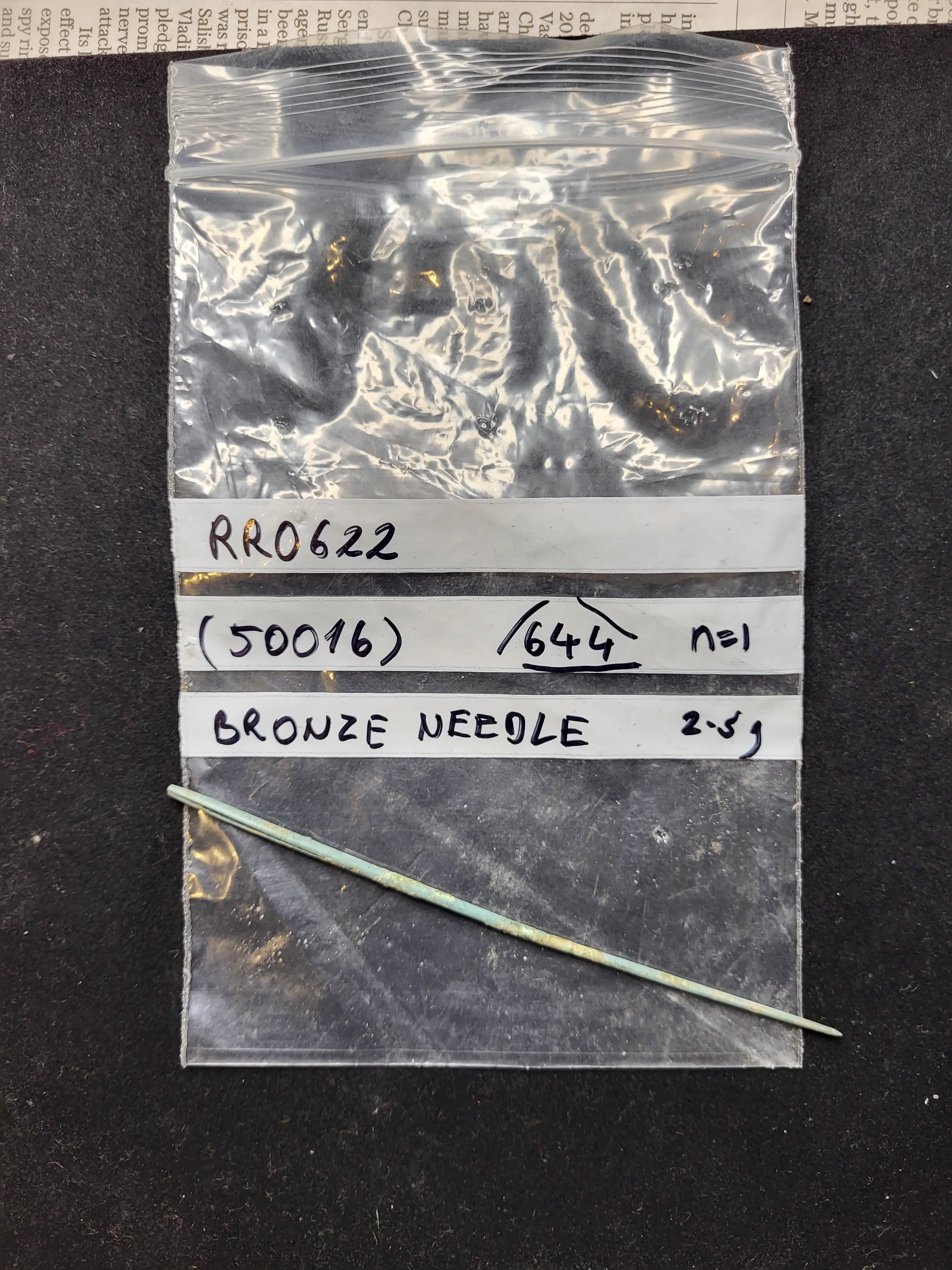
A copper-alloy needle, one of the small domestic tools that makes the estate feel inhabited rather than abstract.
Interpretations continue to develop as excavation, conservation and specialist analysis progress. Each object forms part of a much wider story of settlement, wealth, belief and change at Grove.
Estate anatomy
Domestic display, work, burial and ritual activity all overlap across the wider landscape.
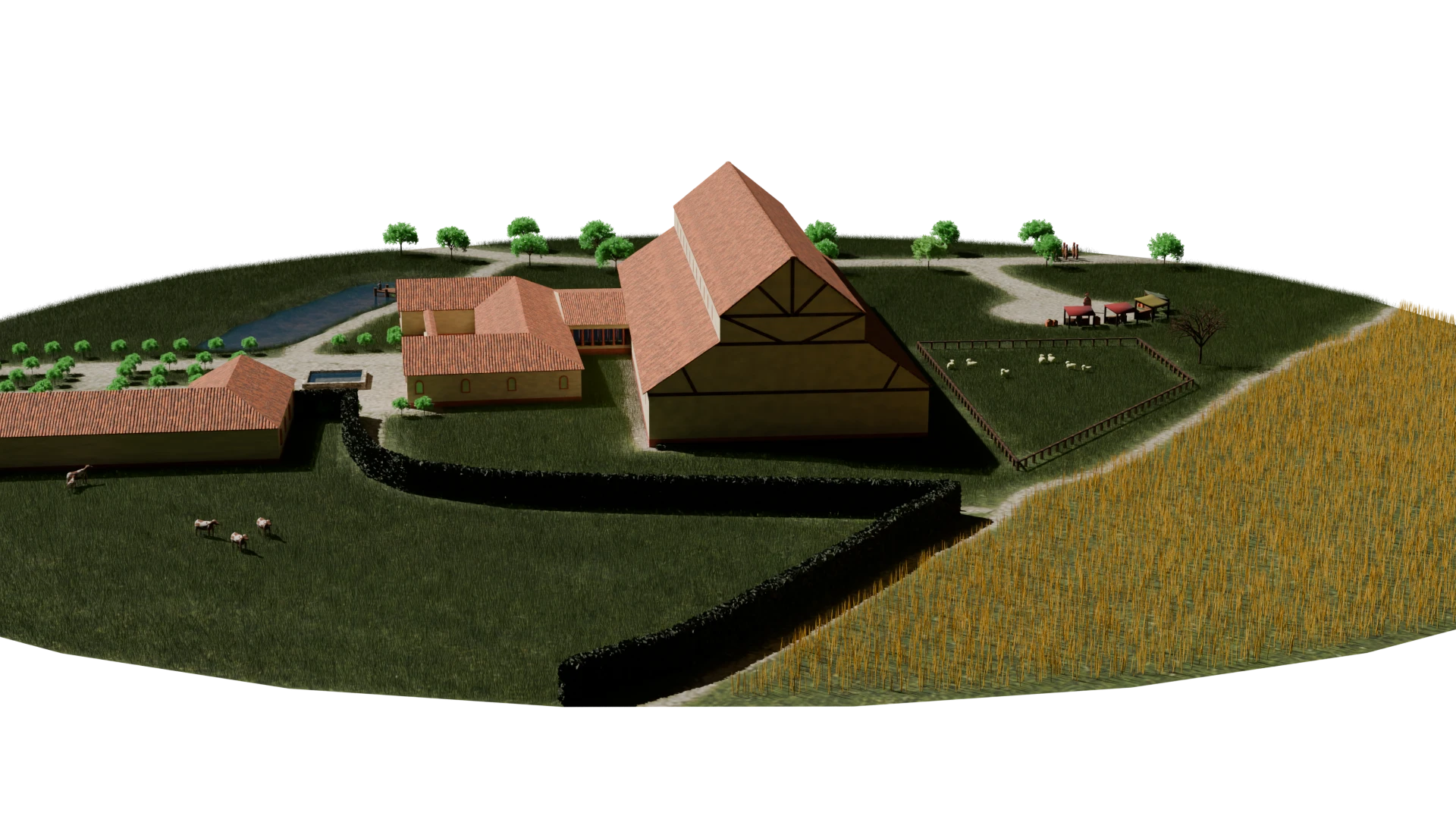
Buildings, working ground, boundaries and quieter margins formed one connected estate landscape.
Domestic
Decorated rooms and formal presentation.
Working
Boundaries, processing and movement across the estate.
Ritual
Marginal zones shaped by burial, offering and memory.
Residential core
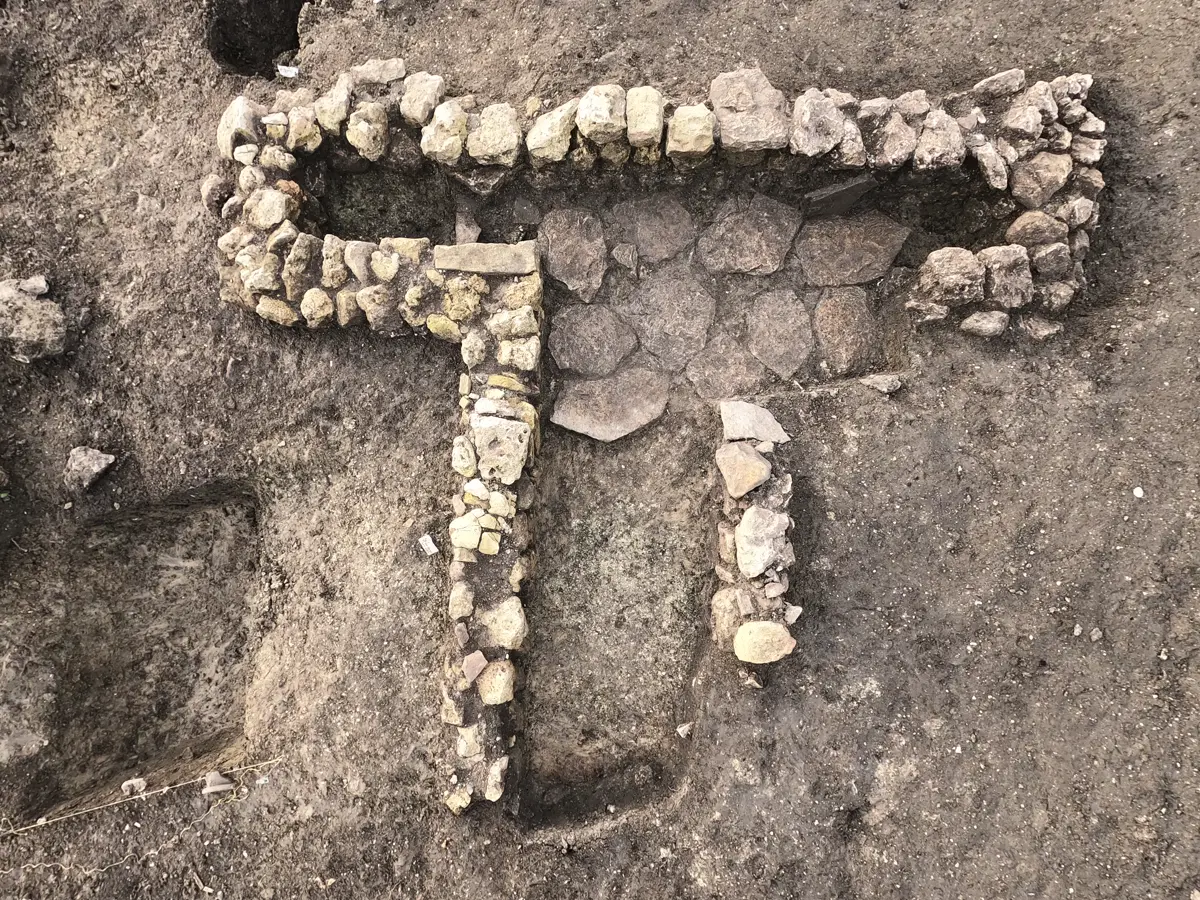
The main domestic focus included decorated interiors, heated rooms and circulation planned around comfort, presentation and access.
Decorated plaster and finished surfaces point to rooms built for display, reception and comfort.
Estate edge
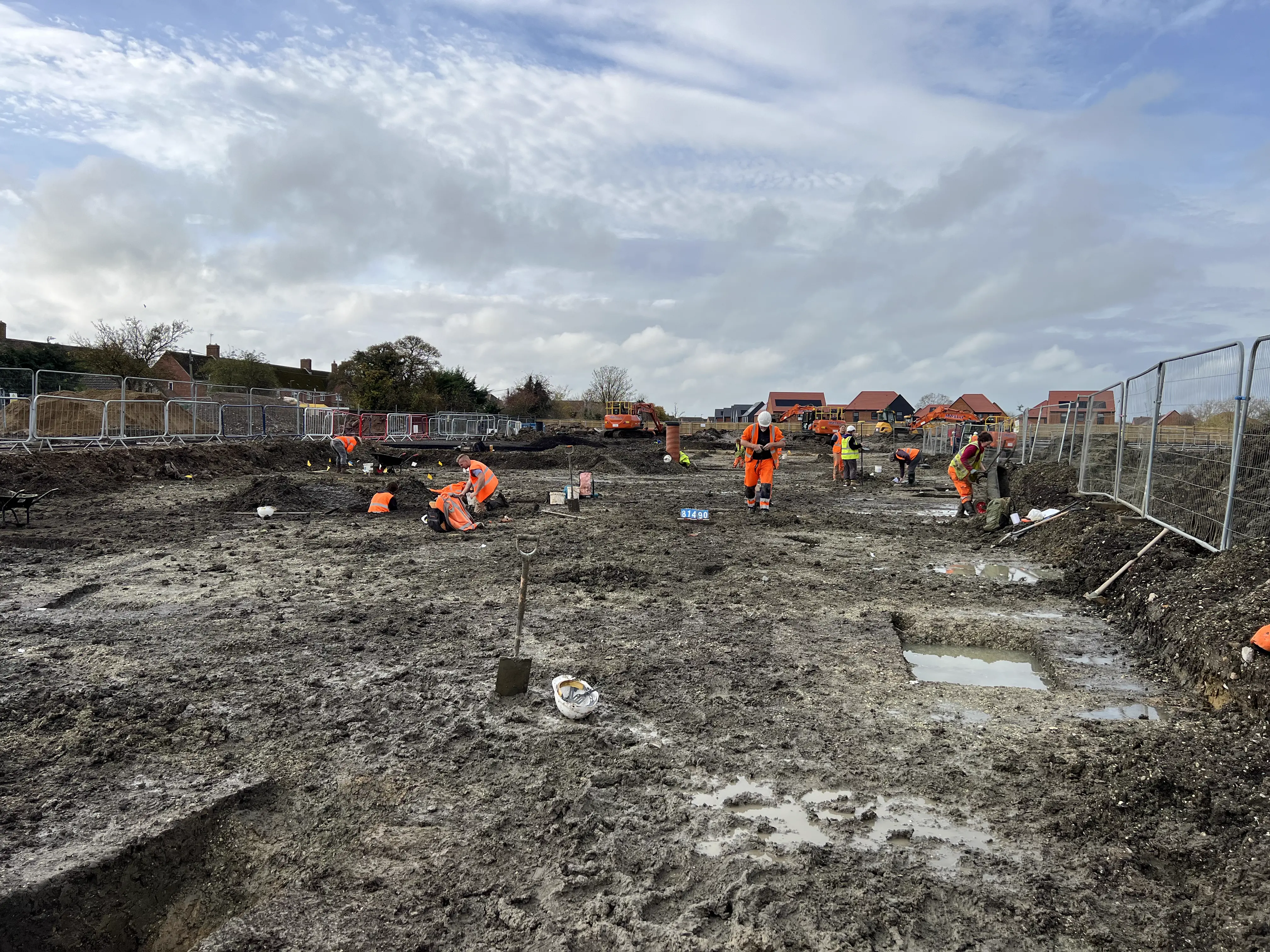
Beyond the formal buildings, the site includes evidence for storage, grain processing, boundaries, trackways and later working areas that continued after the villas were dismantled.
Open excavation areas make the estate legible as working ground rather than a single isolated structure.
Northern margin
Burials and unusual small finds on the margins show the estate also functioned as a commemorative and possibly ritualised landscape.
Marginal finds suggest that memory, offering and deposition shaped parts of the wider estate.
Reconstruction
These reconstructions bring each phase of Brookside Meadows into view, from the earliest activity to the estate at its height and the landscape that followed.
Current phase
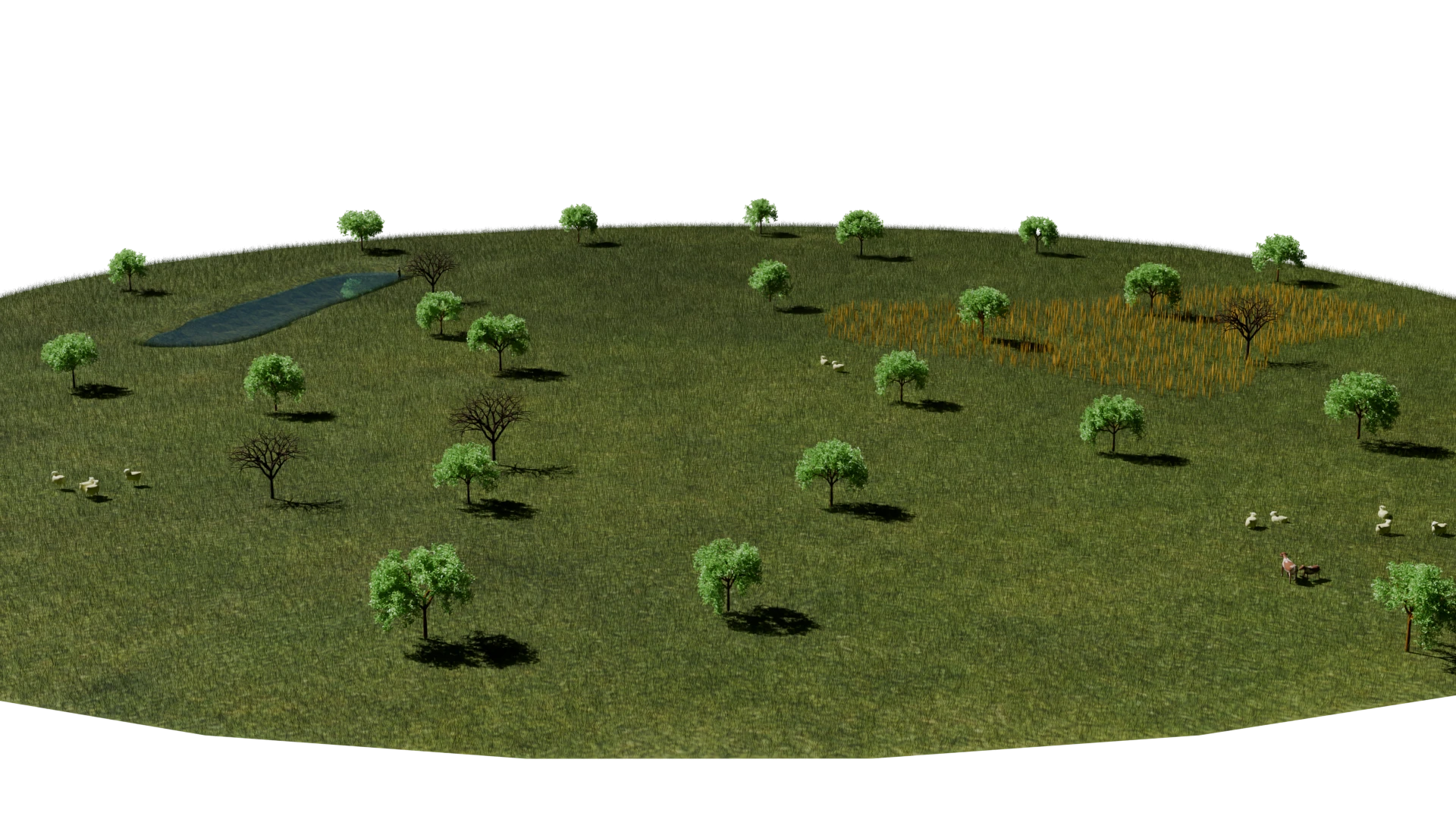
Earliest traces before a formal settlement plan becomes visible.
Preparing 360° view
0%
Before c. 800 BC
An early landscape view for the first traces of activity at Brookside Meadows before the settlement becomes legible in plan.
Present day
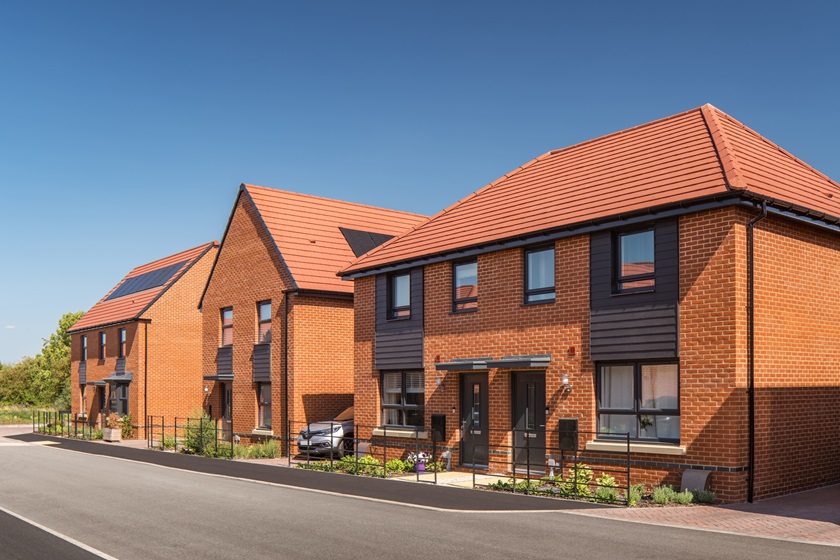
One of the strongest parts of the Brookside Meadows story is the contrast itself. Beneath today’s streets, plots, open space and housing lies a Roman landscape of villas, halls, burials, industry and long memory. The site was not left as a preserved void. It became part of the living footprint of modern Grove.
View Brookside Meadows on David Wilson HomesView Brookside Meadows on Barratt HomesThe key contrast
The estate changed dramatically, but life continued. People still processed food, worked materials, moved through the landscape and buried their dead after the villas had been dismantled. That continuity is one of the documentary's strongest lessons.
Then
Villas, a monumental hall, decorated interiors, agricultural zones, burials and finds suggesting ritual activity, followed by deliberate dismantling and later work across the landscape.
Now
New homes, open space, play areas, ecological measures and local links into Grove now occupy the same broader development landscape.
Acknowledgement
Every find, plan and reconstruction on this page began with the archaeologists who excavated Brookside Meadows. Their care, skill and persistence brought the story of this remarkable landscape to light.
From fieldwork to publication
Our thanks extend to the fieldwork and post-excavation teams whose work recovered, recorded, conserved and interpreted the evidence presented here.
Continue exploring
Documentary
See the excavation and the wider site story on film, with a fuller sense of scale, landscape and discovery.
Watch on YouTube
Projects
Move from Grove into Rubicon's wider portfolio of infrastructure archaeology, settlement archaeology and multi-period excavation.
View projects
Publications
Browse monographs and publications for deeper site narratives, reporting and research.
Browse publications
Blog
Read more on archaeology, heritage practice, discoveries and the stories emerging from active projects.
Read the blog