
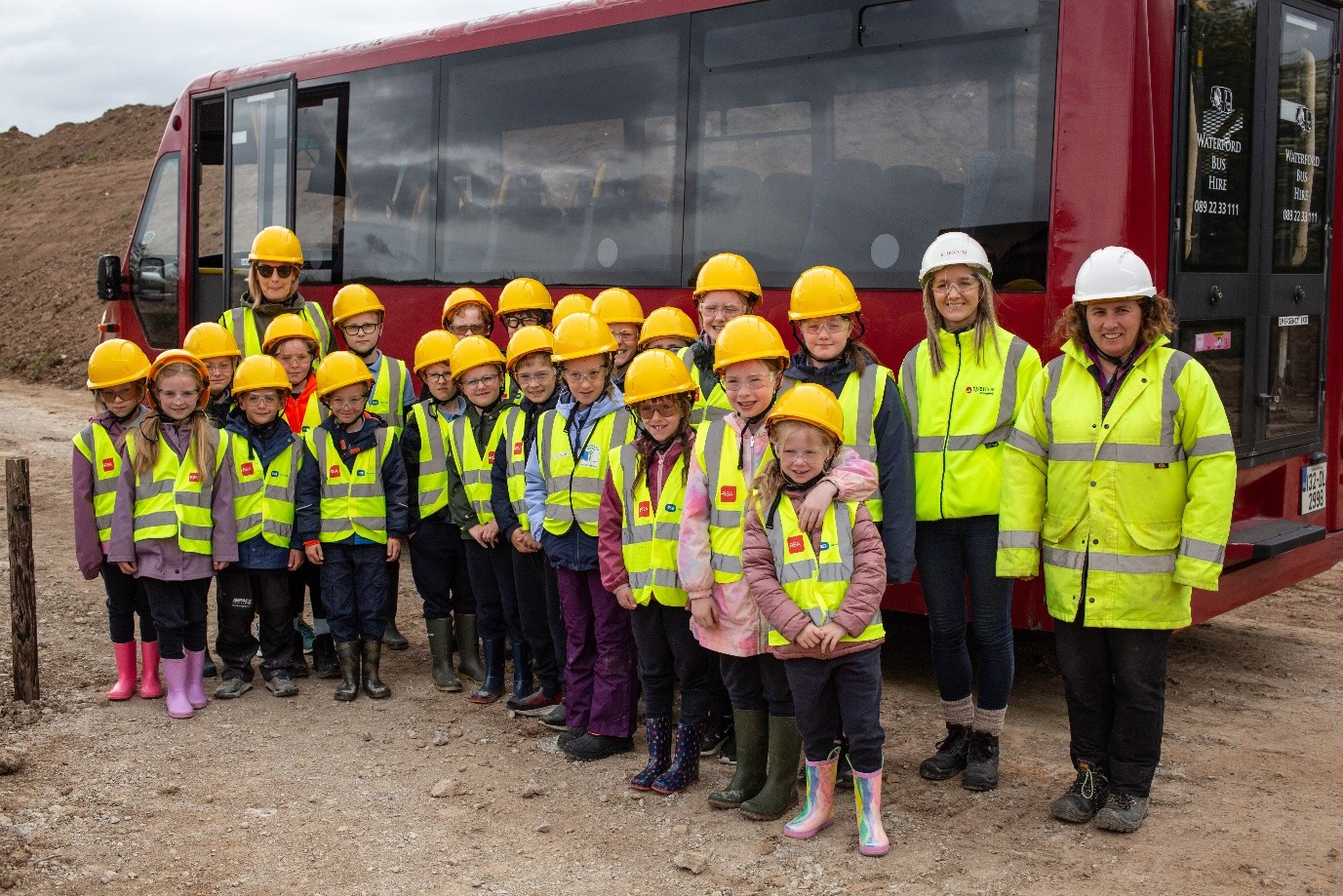
Figure 1: The class from Fews National School arrive on site, meeting Site Director Gillian McCarthy (far right) and Rubicon Quality and Compliance Officer Carmelita Troy (second from far right).
One of the greatest joys in archaeology comes when sharing your work to an enthusiastic audience.
Mid-May of 2026, Rubicon facilitated a visit by Fews National School (Scoil na bhFÃodh) to the Cappagh Quarry Site just outside Dungarvan, where we have been excavating a diverse prehistoric landscape since the beginning of the year. The visit was carried out in partnership with Roadstone, who are in charge of expanding the nearby quarry which necessitated the current archaeological excavation works.
"Rubicon are delighted to give the opportunity to these kids," said Rubicon's Quality and Compliance Director Carmelita Troy, "to bring them out, see the real world archaeology, and to link it up to what they're learning in the classroom."
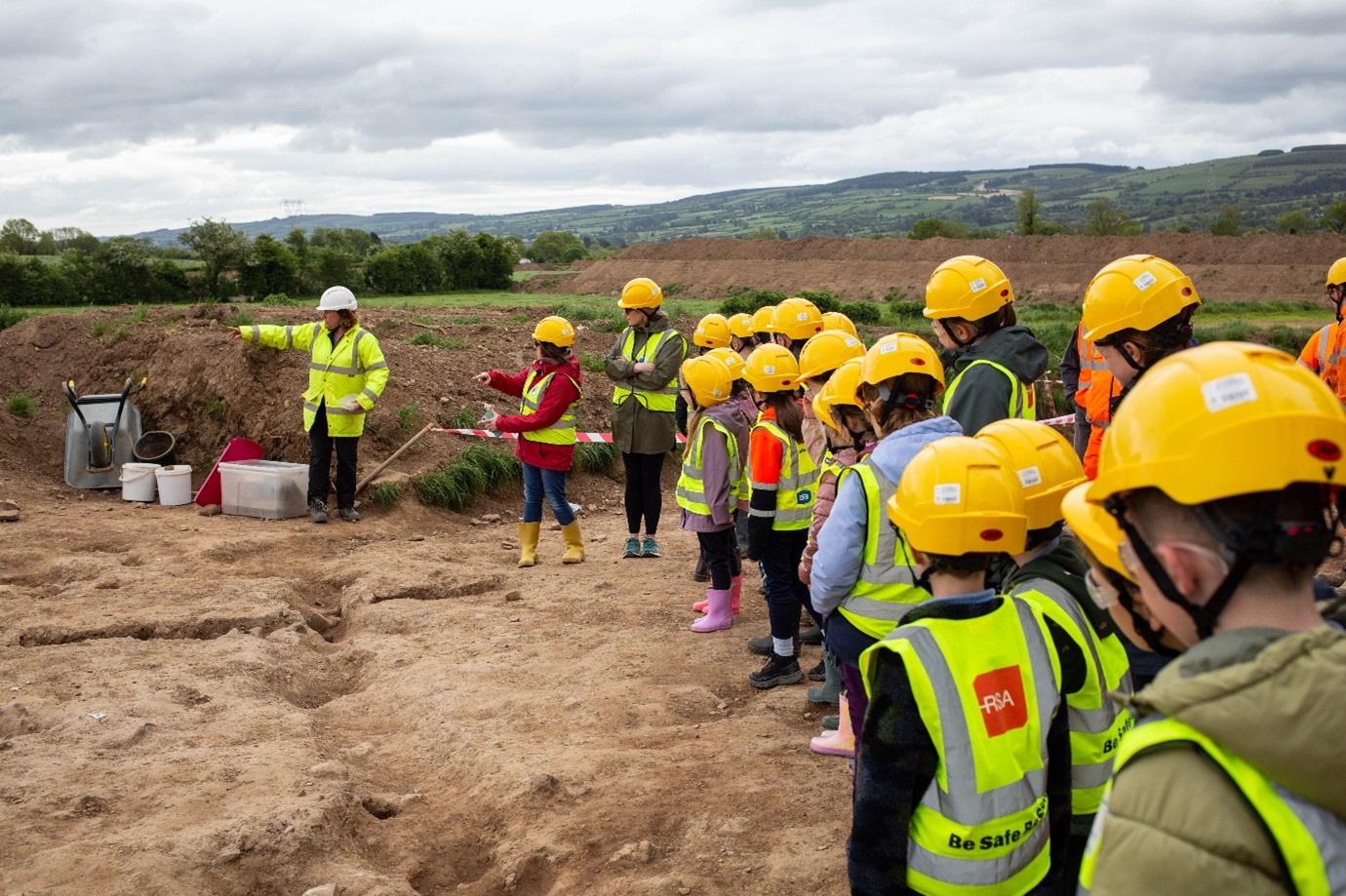
Figure 2: Site Director Gillian McCarthy takes the children around the excavation site of the Neolithic house.
The visit began with the tour of a Neolithic house currently under excavation by Rubicon employees, which presently has the distinction of being the oldest such structure ever discovered in County Waterford.
Site Director Gillian McCarthy engaged the children in examining the open excavation, showing them the difference in soil colour between the sandy natural ground and the charcoal-rich fill of a suspected hearth. She explained how an archaeologist's trained eye can discern valuable information from these subtle clues. The children were particularly interested in the scale drawings which site archaeologists were performing via line level and string, tying this concept back to their lessons in maths.
"The house was discovered during works that went on in the quarry," McCarthy explained. "It's the first Neolithic house that has been discovered in County Waterford so far, so the importance of this in the story of Neolithic Waterford is really profound."
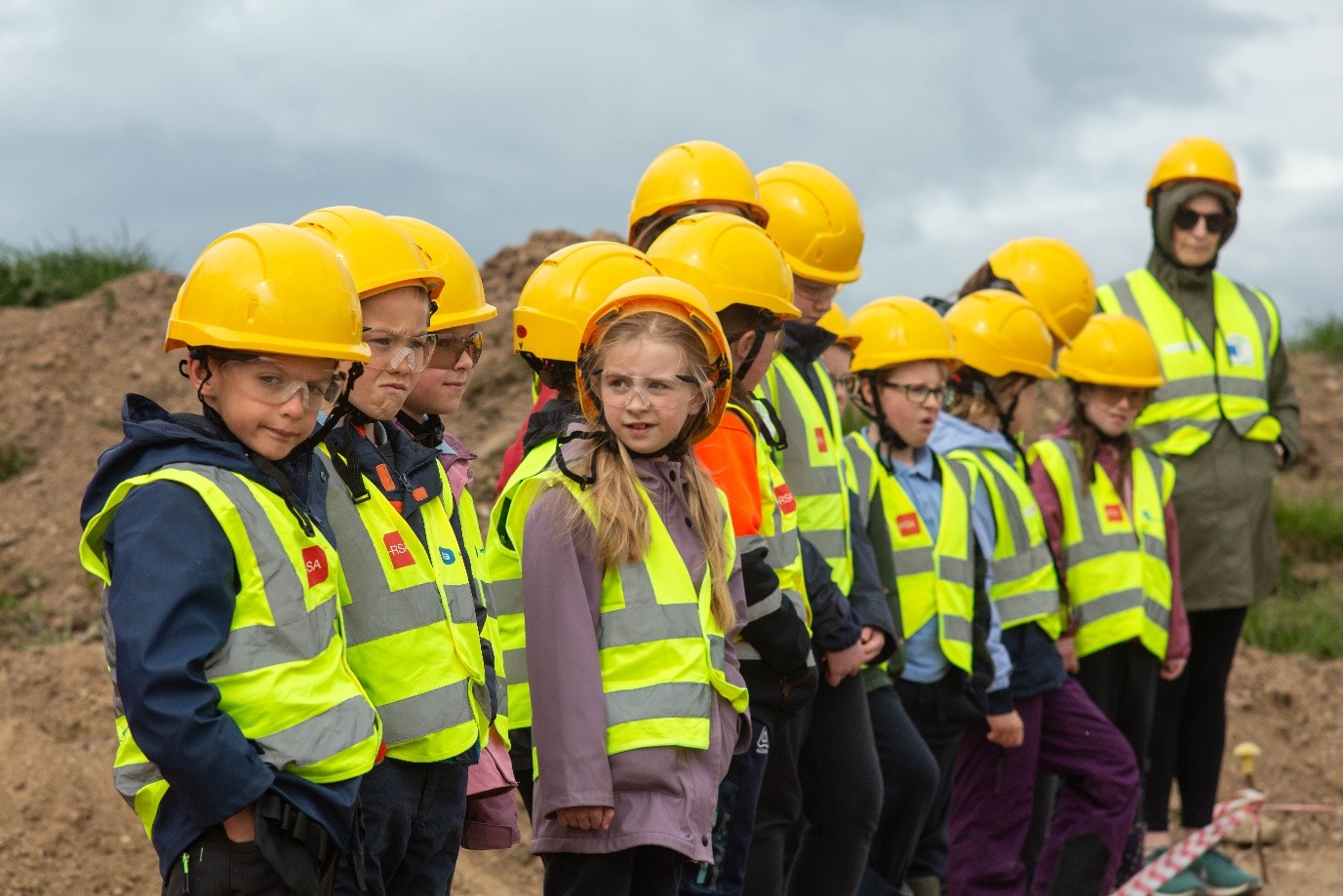
Figure 3: Students from the Fews National School listen to details on Irish archaeology.
The tour was of equal interest to the adult attendees, with several Roadstone employees joining to discuss the site's ancient importance. "We were delighted to have the opportunity to showcase the history found at Cappagh with the inquisitive young kids from Scoil na BhFÃodh," said Seamus Howley, Roadstone's Environmental Officer. "It was great to see their excitement at looking at the historical treasures and the dig sites. We hope that they have come away with an appreciation for the heritage of the area."
The visit continued to the southern end of the site, where a flat cremation cemetery, surrounded by an enclosing ring-ditch, is also currently under excavation.
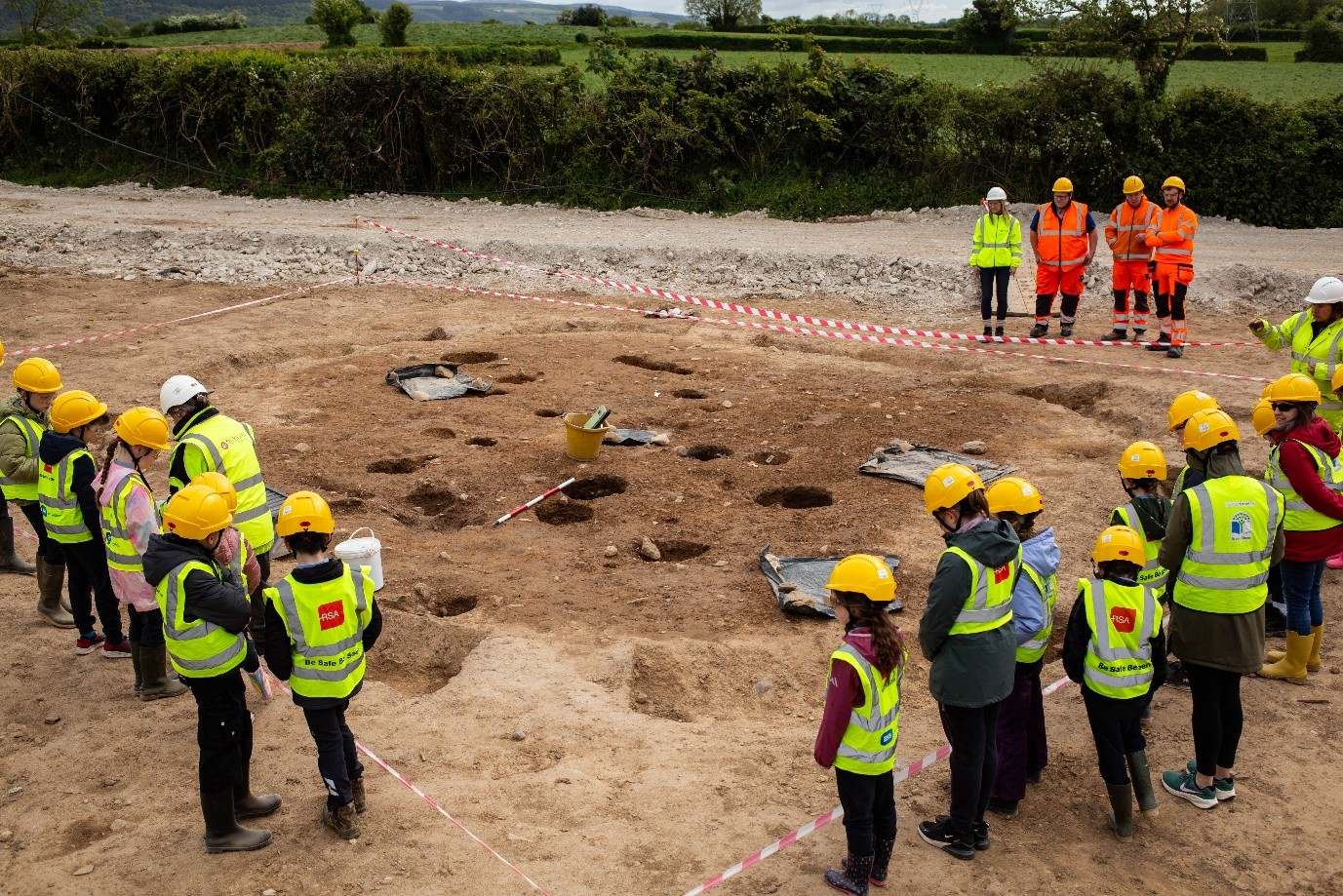
Figure 4: Osteoarchaeologist Dr. Dawn Gooney takes the children through the process of excavating a Bronze Age cremation cemetery, featured in the background.
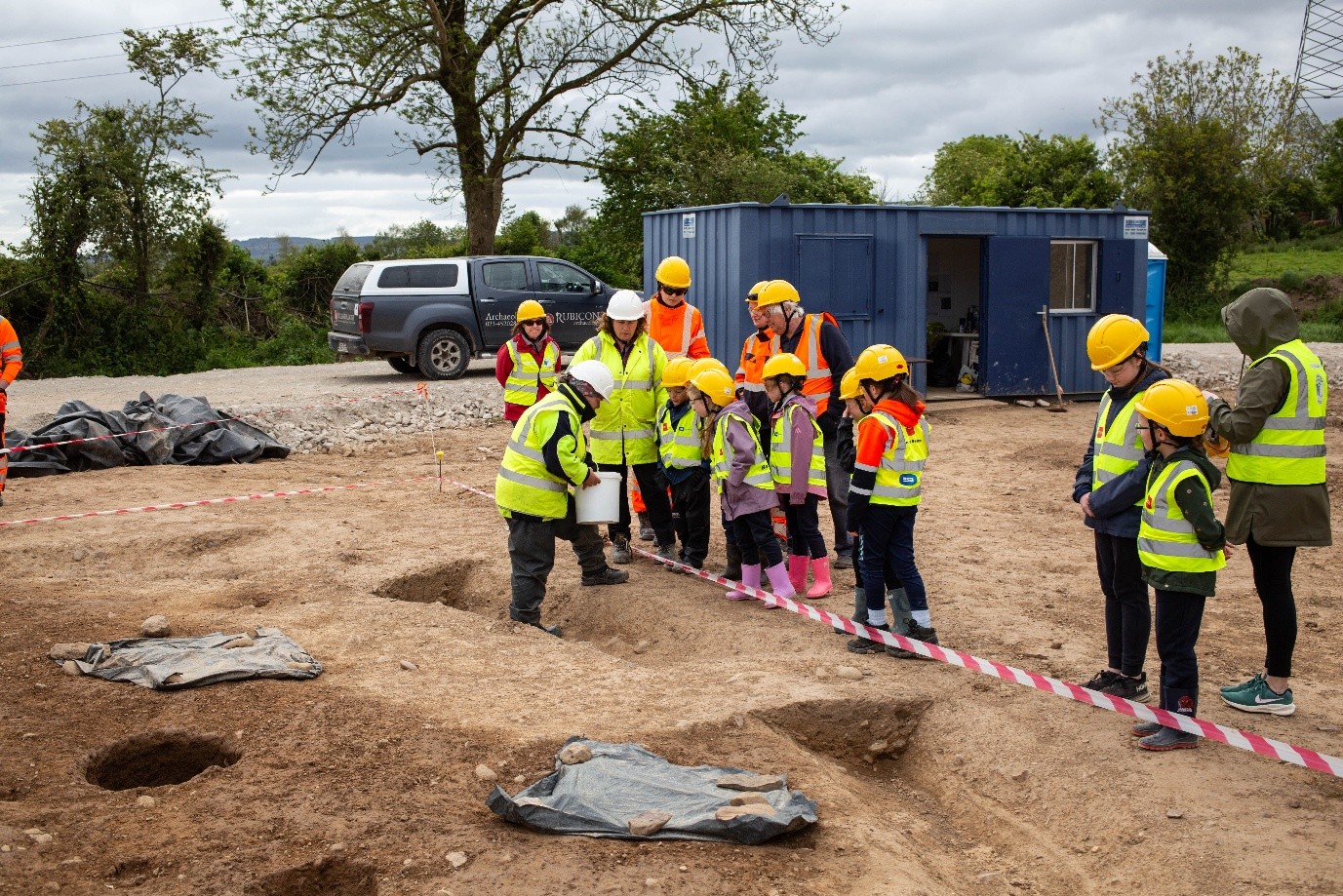
Figure 5: Dr. Dawn Gooney shows the students a sample bucket including one 'spit' from a prehistoric cremation burial.
Dr. Dawn Gooney, Rubicon's own osteoarchaeologist and specialist in ancient human remains, explained the meticulous process of excavating cremations to the captivated audience of youngsters. She expounded upon the method of excavating via spits—10-15cm deep layers which are 100% sampled and recorded—and explained why this is necessary for interpreting the funerary customs of a peoples who lived so many thousands of years before our time.
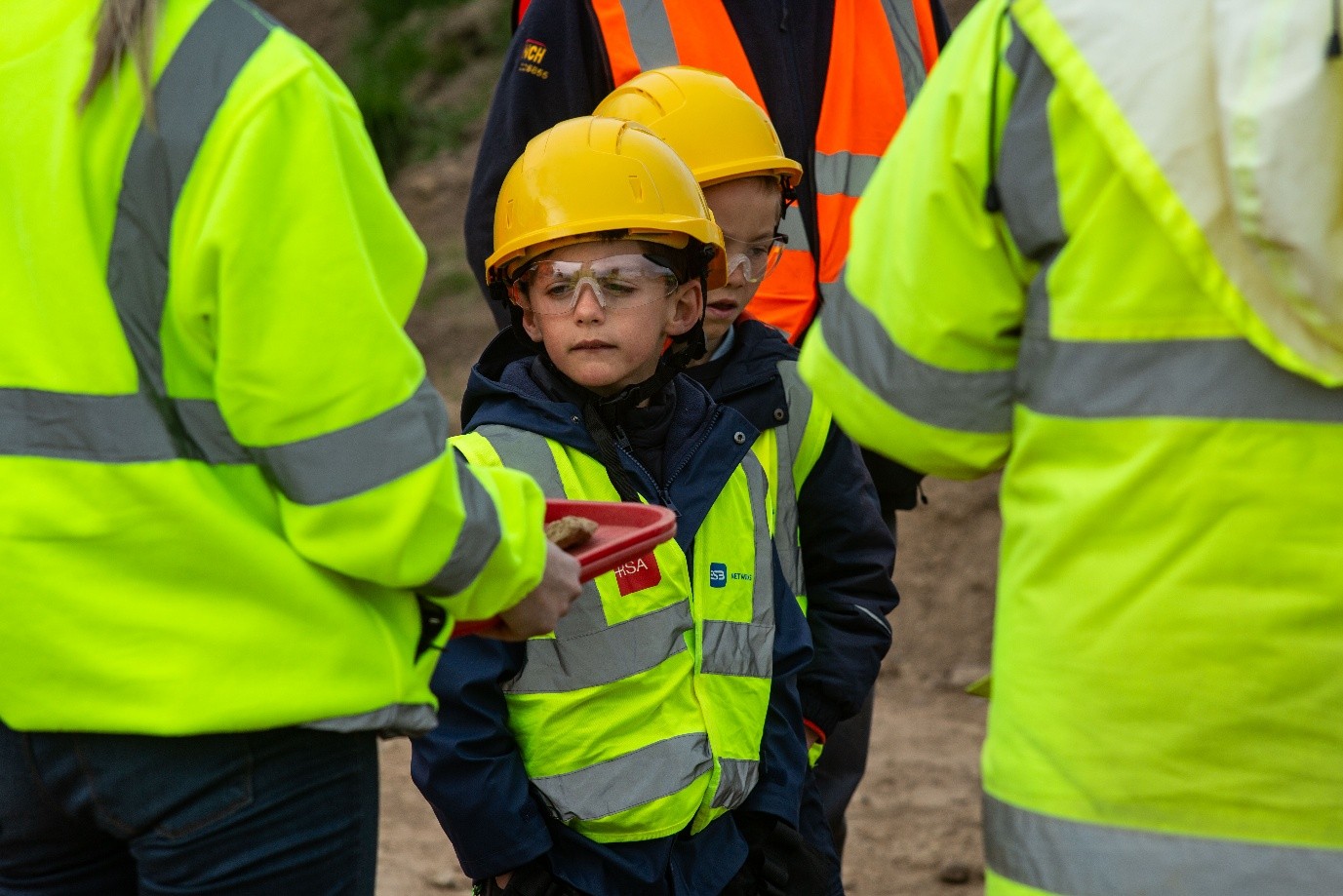
Figure 6: One of the students examines some pieces of prehistoric pottery on a tray held by Quality and Compliance Director Carmelita Troy.
The school visit reached its peak when the children were allowed to handle several lithic artefacts which have been discovered across the site, including a number of stone axes, hammer-stones, and sharpening tools. "The stone axes that we've found on site really help us build a picture of the activities that would have gone on in the Neolithic here," said McCarthy. "The stone axes would have been used to clear the forests and open the land so agriculture could take place."
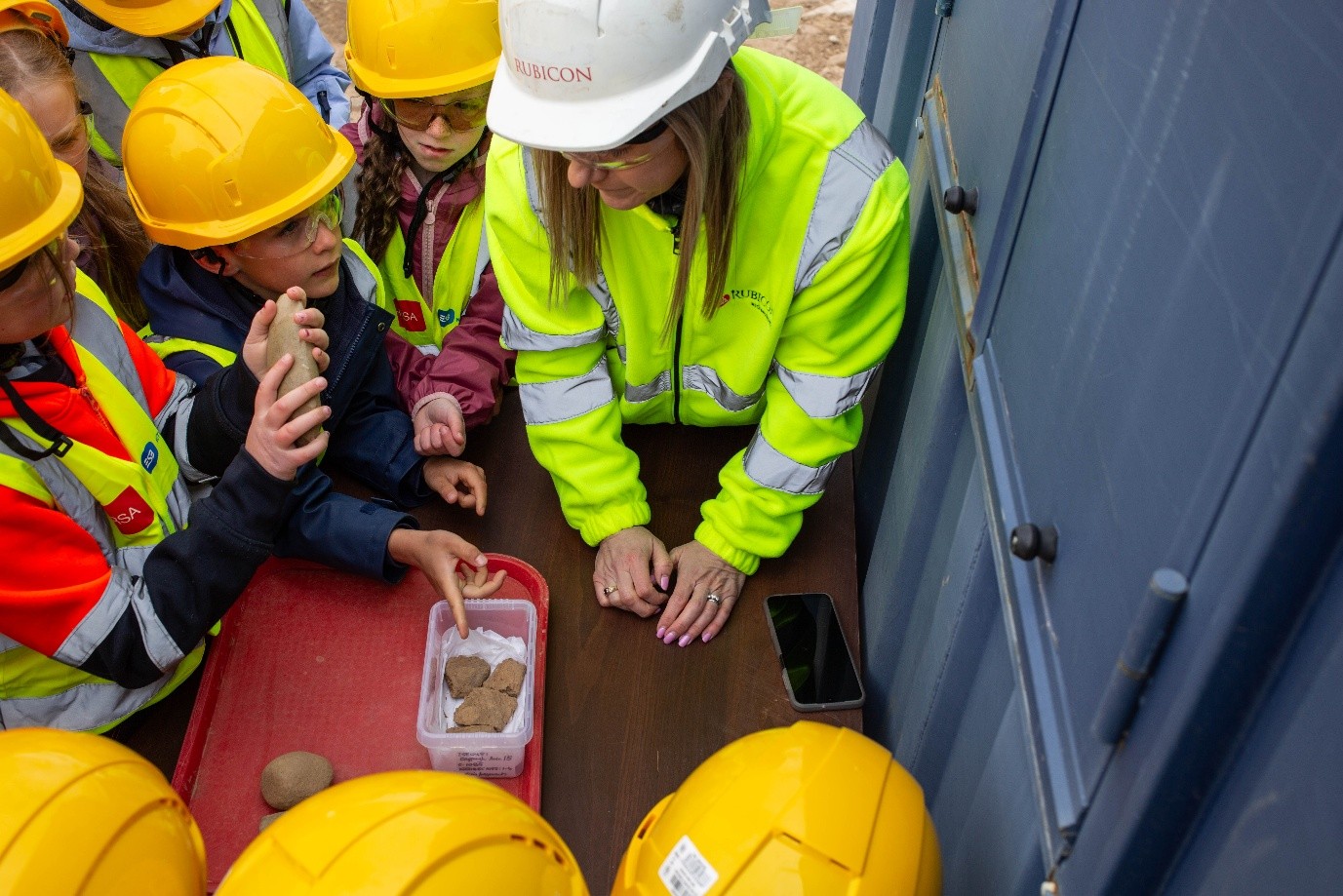
Figure 7: One hopeful students asks whether he can pick up the delicate fragments of prehistoric pottery which have been unearthed on the site (the answer was no).
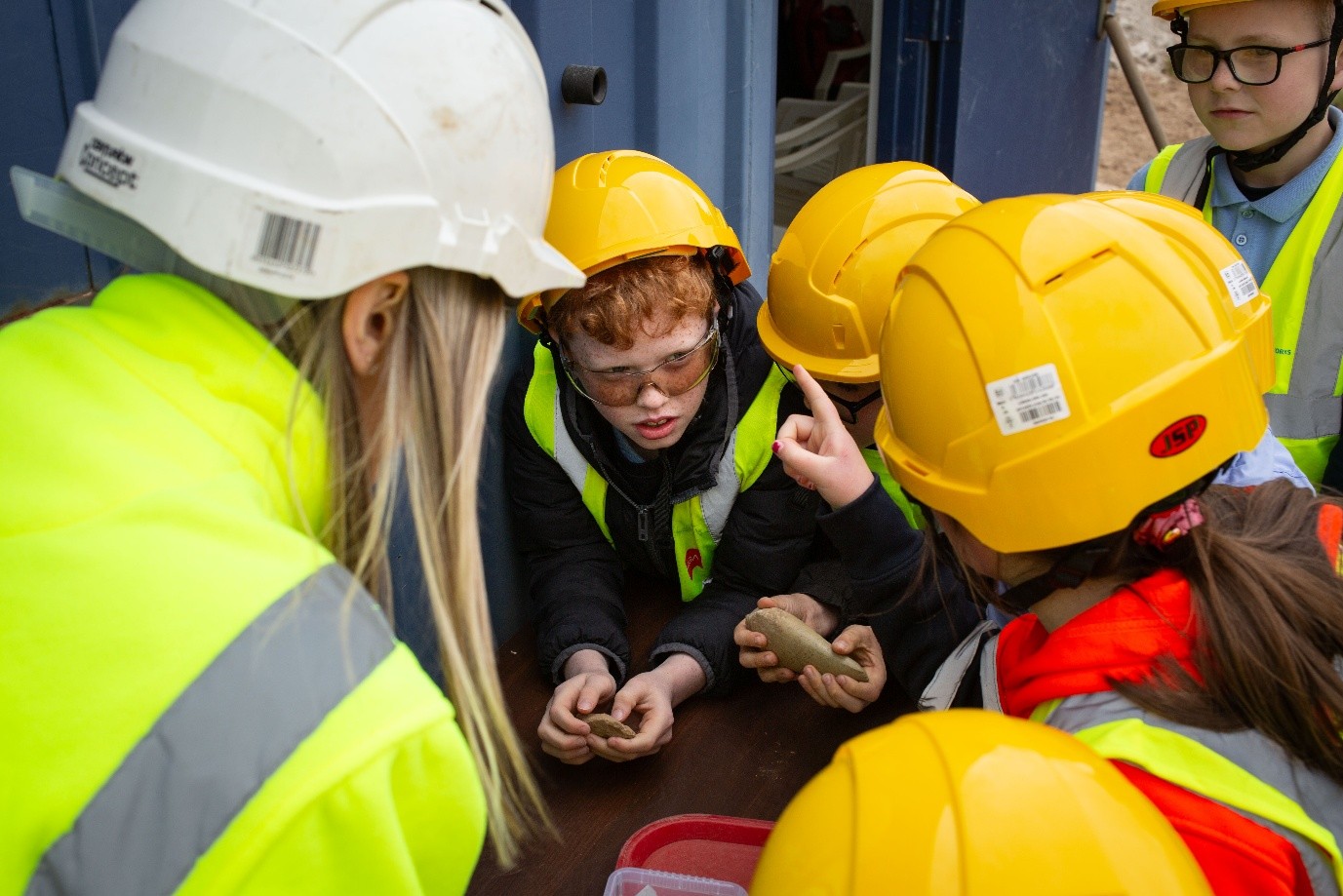
Figure 8: Children from the Fews National School handle the lithic artefacts.
One axe in particular is of noteworthy distinction: a gorgeous artefact of speckled green, polished to a spectacular finish, is likely an axe of the Langdale Tuff class (Group VI). This specimen originates in England, meaning it made its way all the way to Waterford some 5,000 years ago. Finds like this really exemplify the trade networks which existed in antiquity.
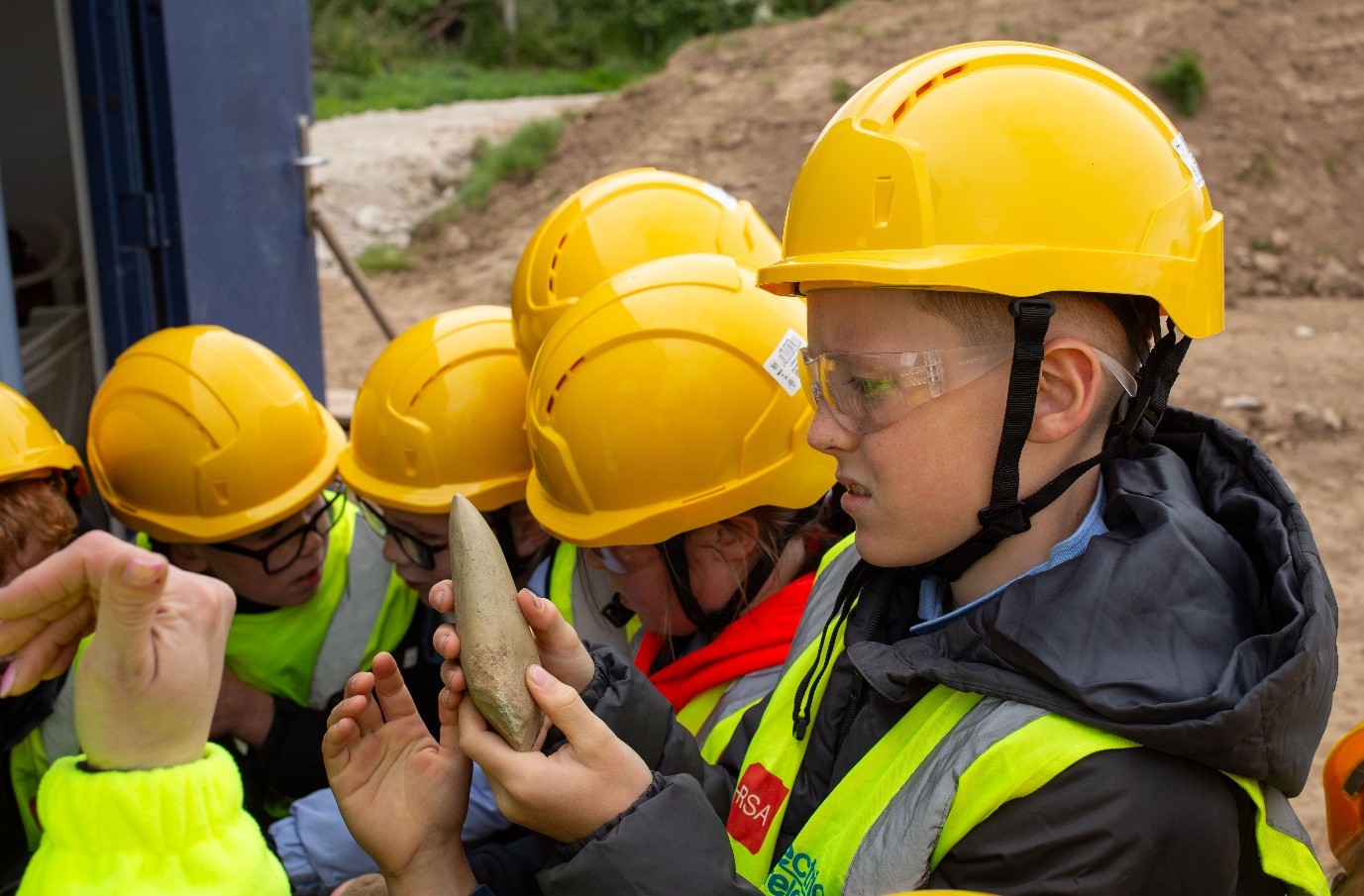
Figure 9: A student examines the rare Langdale Tuff stone axe discovered by Site Director Gillian McCarthy. Perhaps he was hoping to find some treasure instead...
"This area that we're in seems to have been an active prehistoric landscape," explained McCarthy. She went on to reference the nearby Kilgreany Cave, "which lies just to the southwest of us here. This Bronze Age and Stone Age landscape surrounds the cave, and the river as well which would have brought people from the coast up the Brickey River into this area."
Rubicon and Roadstone are delighted to have given this opportunity to the kids of Fews National School to discover the relics of their region's ancient past, and to link this history to their classroom learning. "It's really important to have had the kids out here today," McCarthy remarked in a final statement. "Hopefully in the future they'll be aware of archaeology and the processes that go into build a story of prehistory, and we might get an archaeologist out of it at the end of the day," she added with a smile.
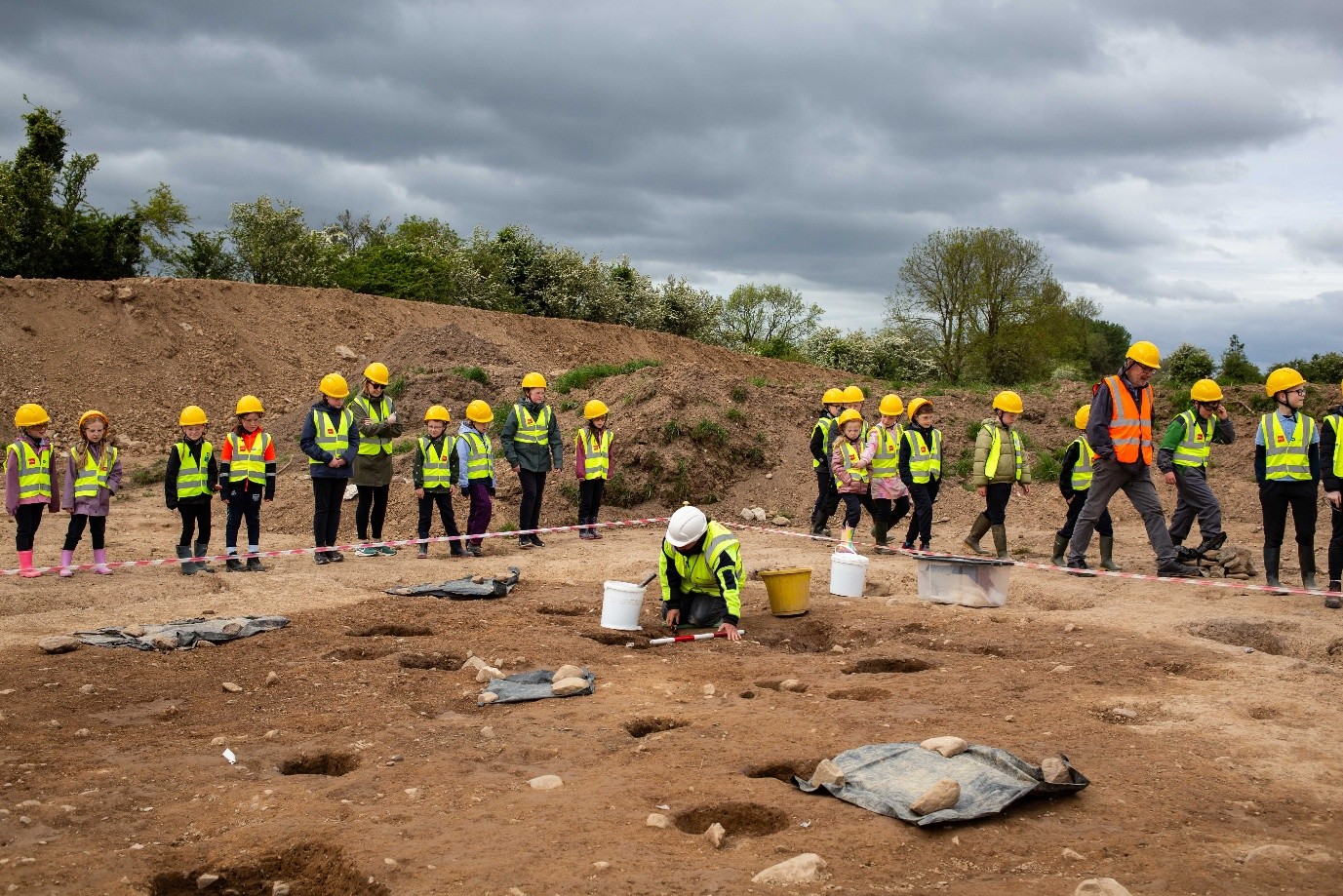
Figure 10: Dr. Dawn Gooney excavates a cremation while students from the Fews National School watch on.
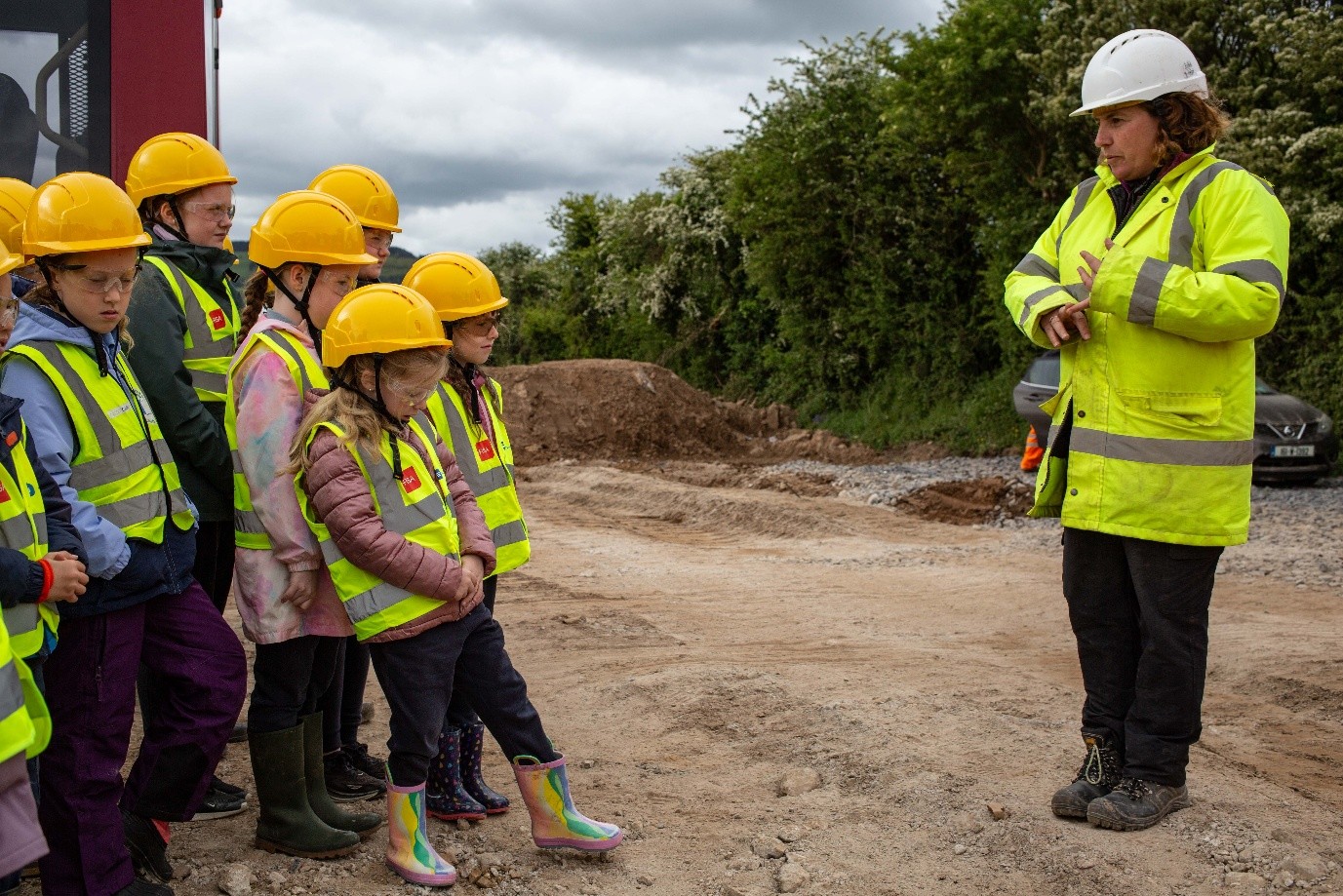
Figure 11: Site Director Gillian McCarthy greets the children as they get off their bus and arrive on site.
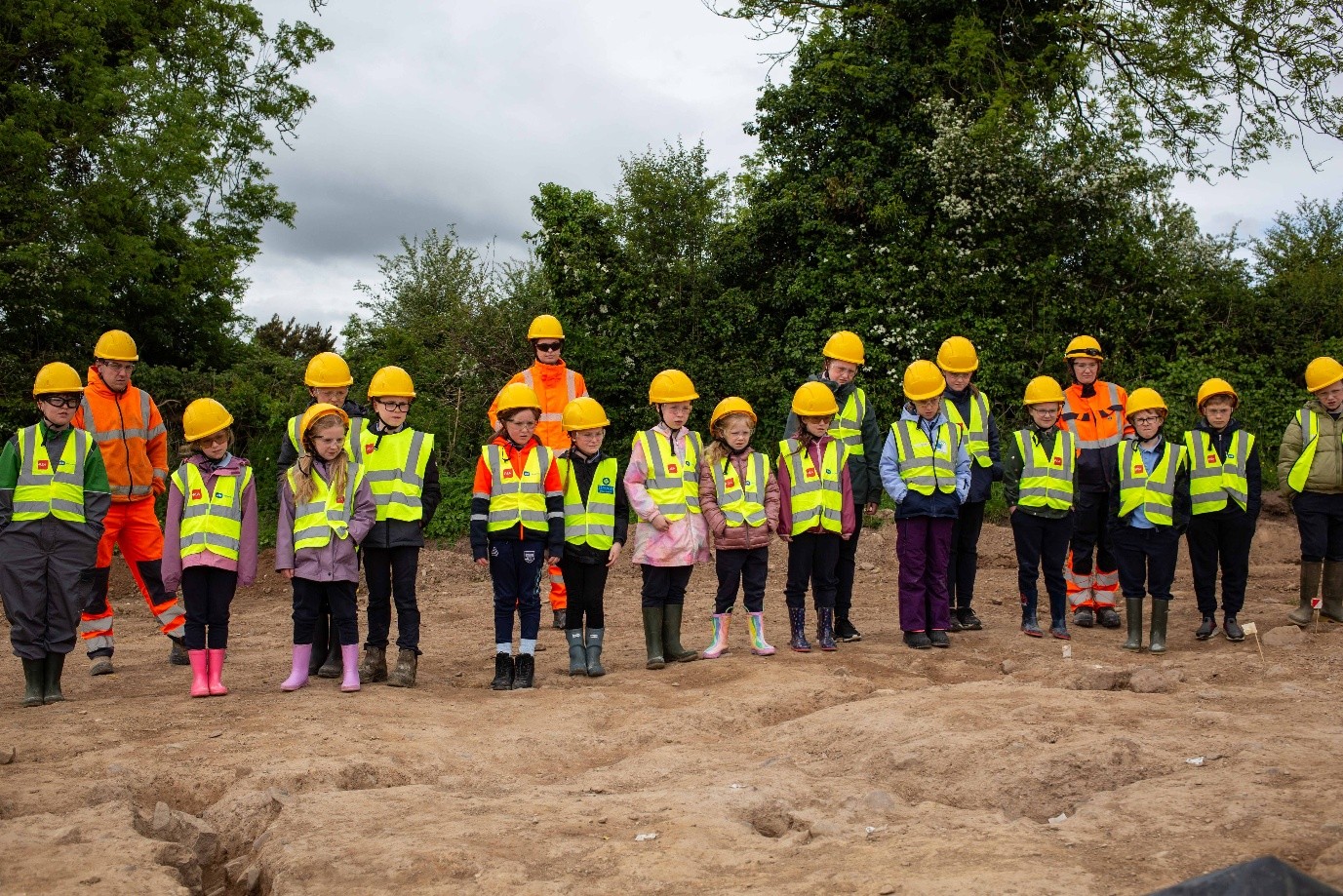
Figure 12: Students from the Fews National School, and Roadstone employees (in orange) listen attentively as Site Director Gillian McCarthy explains some of the site's history.